Leskuhliembo Festival
A joyful festival honoring Ibaan’s heritage, faith, creativity, and community unity.
WHY Experience Leskuhliembo Festival
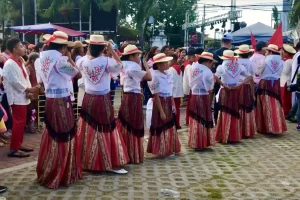
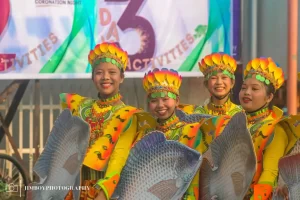
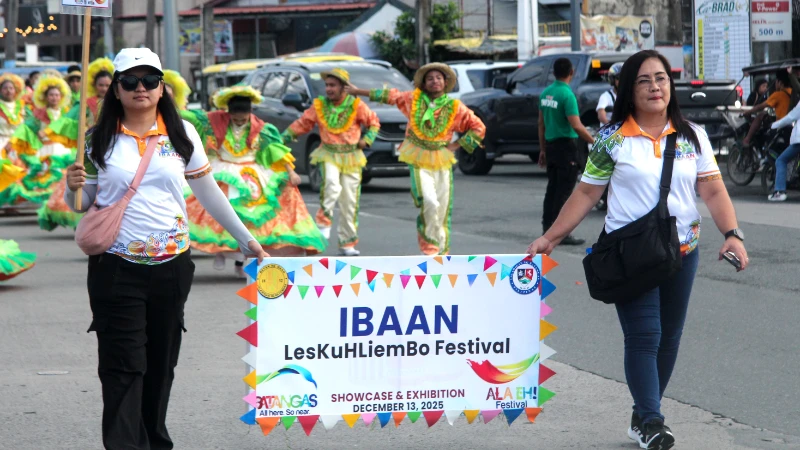
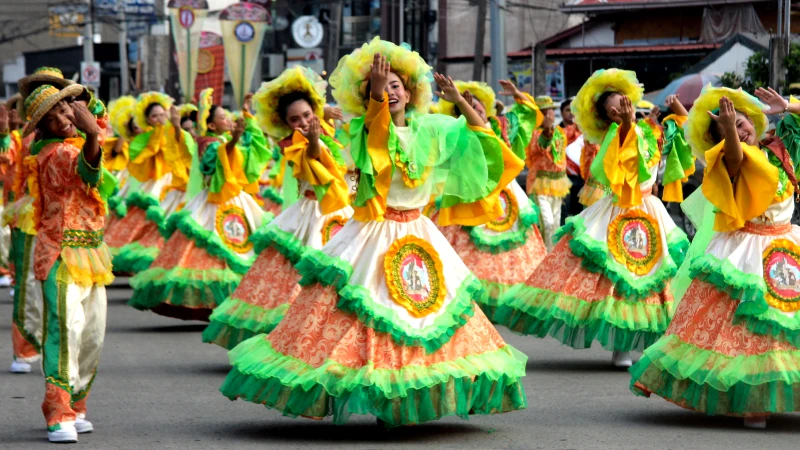
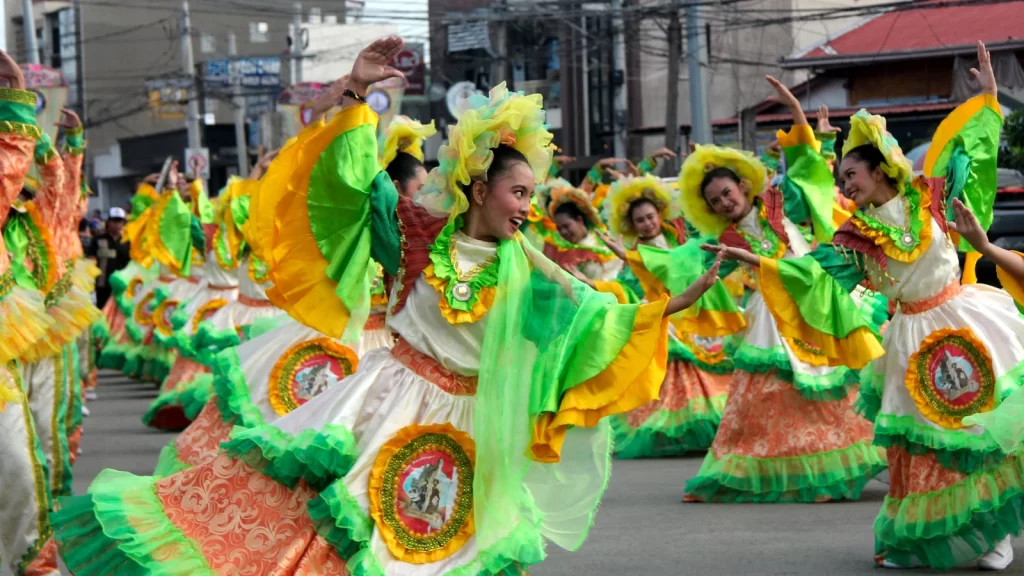
The Leskuhliembo Festival of Ibaan, Batangas is a lively celebration of local industry, culture, and community pride. Uniquely named after Ibaan’s primary products, the festival transforms everyday heritage into a colorful showcase of music, dance, and creativity. Visitors can experience energetic street dancing, vibrant costumes inspired by weaving and agriculture, and performances that reflect the town’s hardworking roots and distinct identity. More than just a feast of visuals, the Leskuhliembo Festival highlights Ibaan’s strong sense of unity and joyful spirit, making it a must-see for those who want to experience authentic Batangueño culture and hometown pride.
Name and History
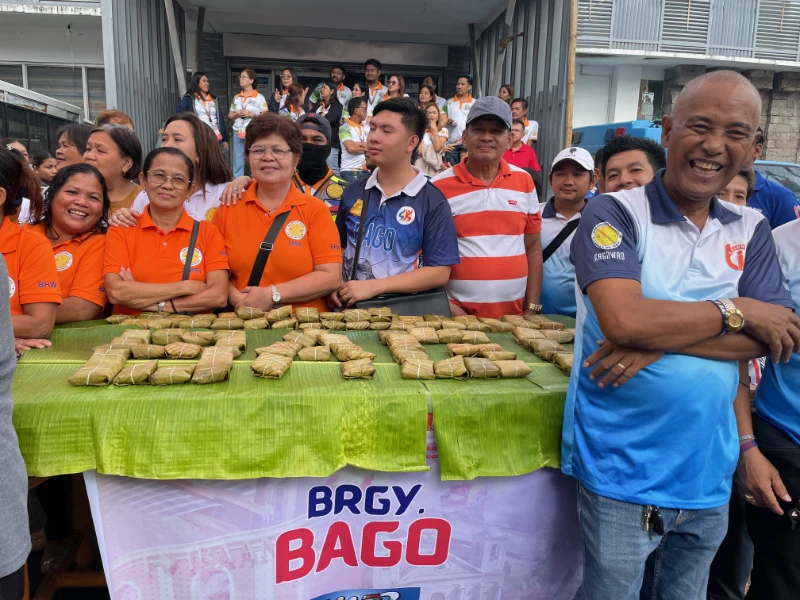
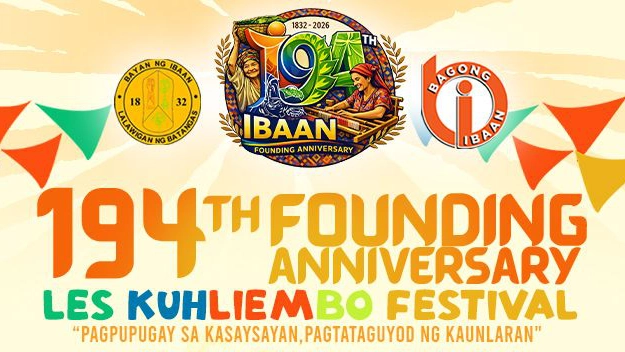
The festival takes its name from a creative combination of Ibaan’s five pride products: Tamales, Kulambo (mosquito nets), Habi (weaving), Liempo, and Tu**bo (sugarcane). Celebrated to mark the town’s Founding Anniversary (distinct from the feast of patron Saint James the Greater), the festival blends civic pride with cultural storytelling. Over the years, Leskuhliembo has grown from a local observance into a grand municipal festival that honors Ibaan’s history, thriving industries, and hardworking community.
Culture and Creativity
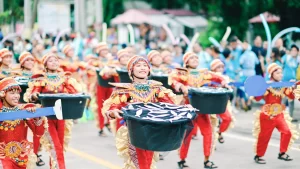
Through street dance competitions, cultural presentations, and themed costumes, the festival showcases Ibaan’s identity as a hub of craftsmanship and agriculture. Performers creatively interpret the weaving of kulambo, the cooking of tamales, and daily life through choreography and music. The use of bright colors, folk-inspired designs, and traditional elements reflects the community’s dedication to preserving their specific trade heritage while expressing it in modern and artistic ways.
Vision and Unity
The Leskuhliembo Festival promotes togetherness among Ibaeños by bringing schools, barangays, and local organizations together in one celebration. It strengthens community bonds, boosts tourism, and instills pride in local traditions and craftsmanship. At its core, the festival represents Ibaan’s vision of harmony, progress, and cultural continuity—where history, creativity, and unity come alive in one joyful celebration.
OTHER Festivals