
Tanauan City’s name is rooted in two historical interpretations. One version traces it to the Tagalog word tanaw, meaning “to look through,” referencing a watchpoint overlooking its surroundings. Another version, supported by the National Historical Commission of the Philippines, links the name to the tanaua shrub, once abundant along the shores of old Lake Bonbon. Founded in 1572 by Augustinian missionaries and relocated to its present site in 1754, Tanauan grew into a community known for resilience, culture, and heroism. Over centuries, it became the birthplace of national icons, evolving from a first-class municipality into a thriving city.
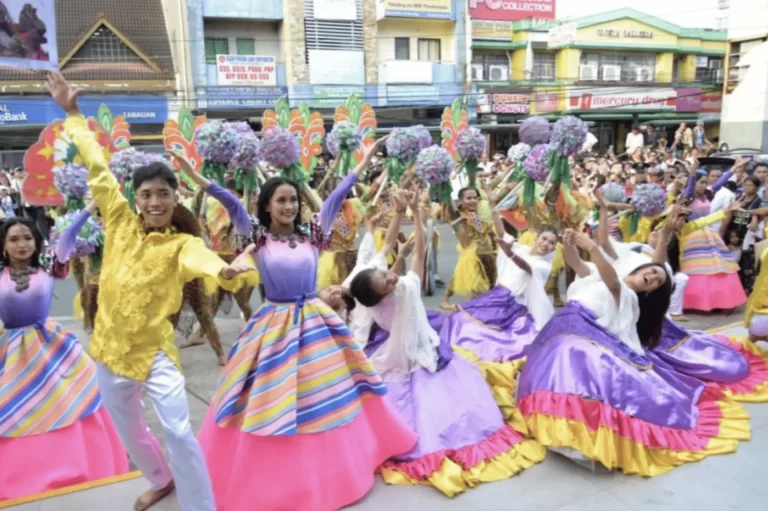
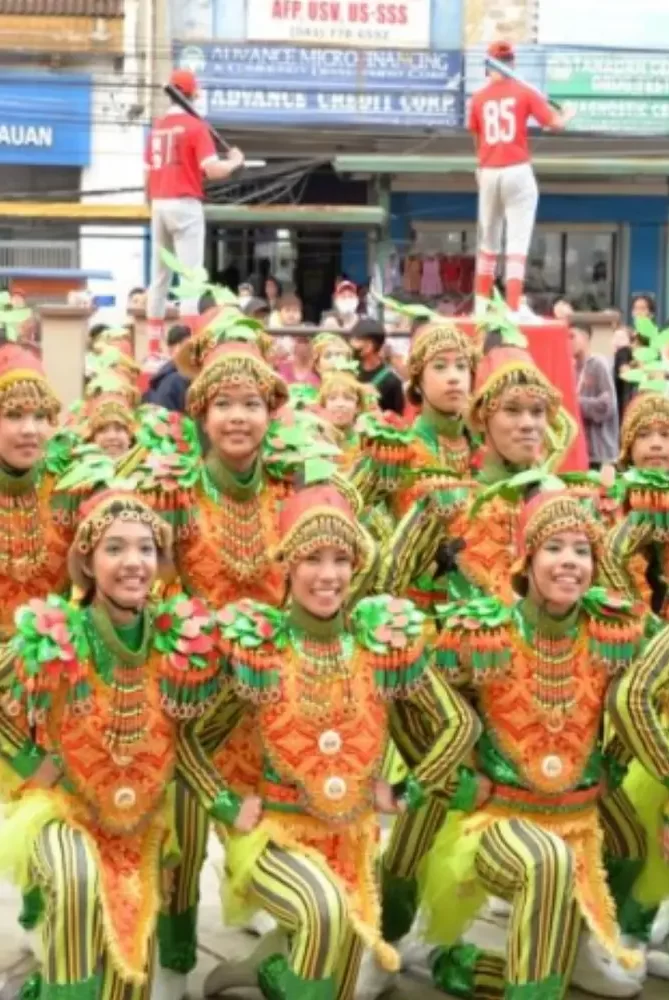
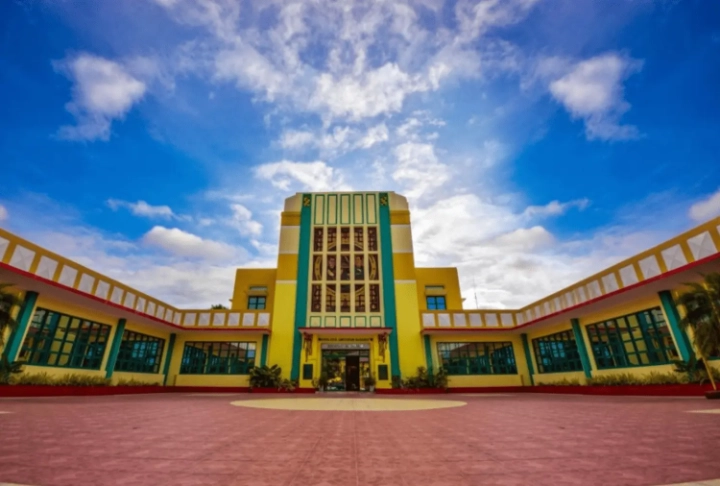
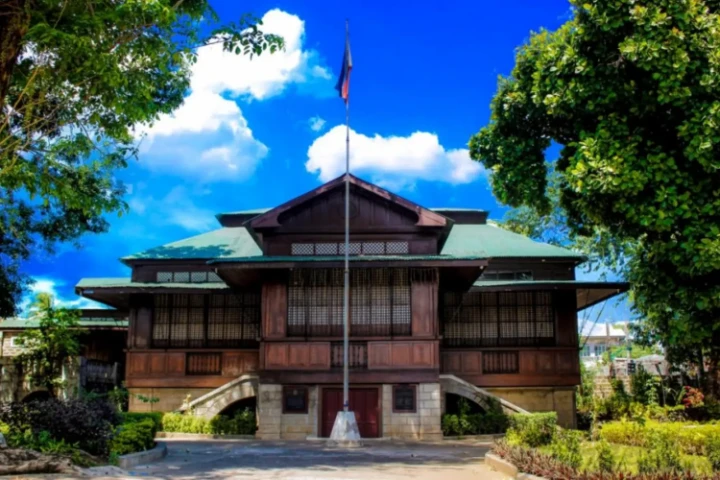
Tanauan City offers a compelling blend of history, culture, and community pride. Known as the “cradle of noble heroes,” it is home to Apolinario Mabini and President Jose P. Laurel Sr., whose legacies shaped Philippine independence and governance. Visitors can explore heritage sites, enjoy scenic views near Taal Lake, and experience local festivals that highlight Tanauan’s identity. The Tan-a-we Festival, inspired by the city’s origins and watchtower heritage, celebrates unity, growth, and cultural vibrancy. With accessible transportation, warm locals, and a balance of rural charm and urban progress, Tanauan City provides an enriching destination for culture lovers and history enthusiasts.