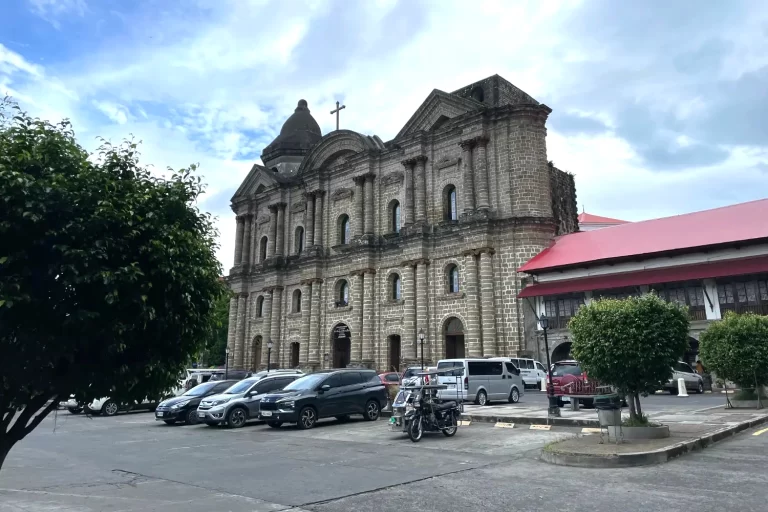
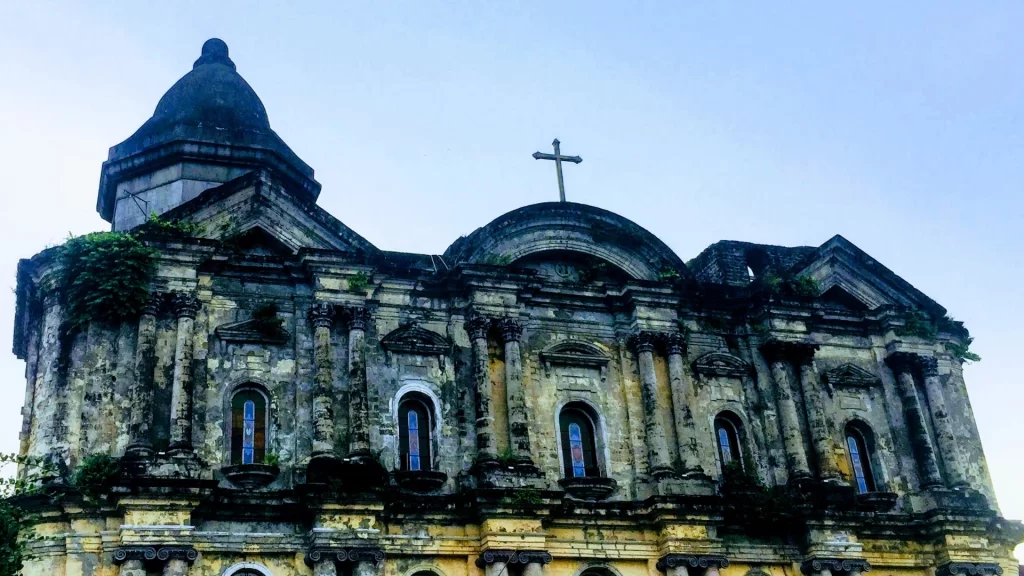
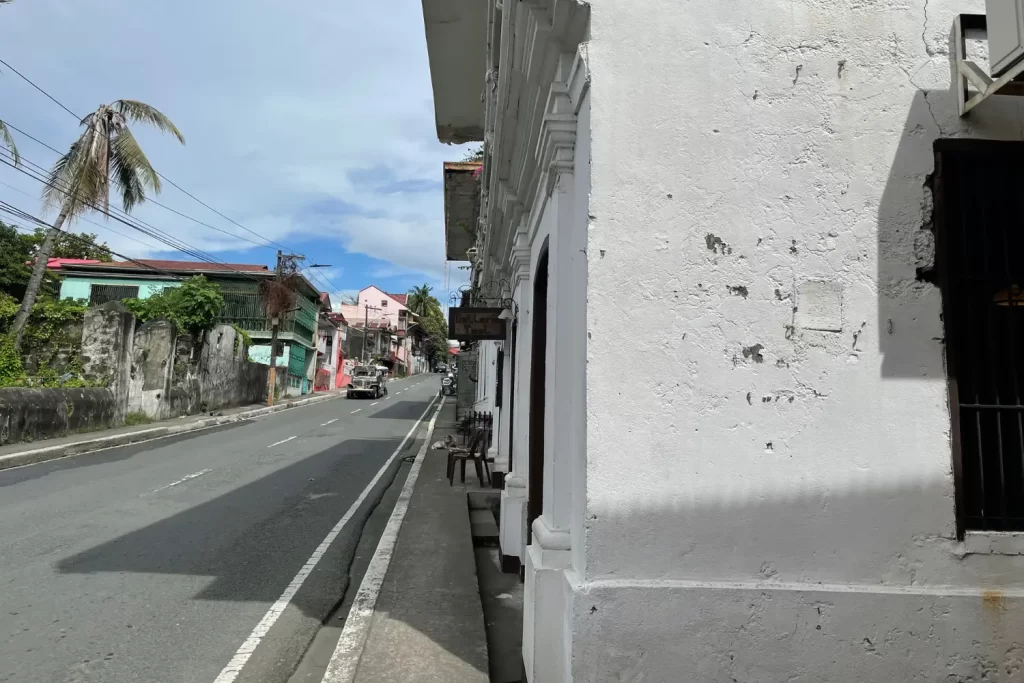
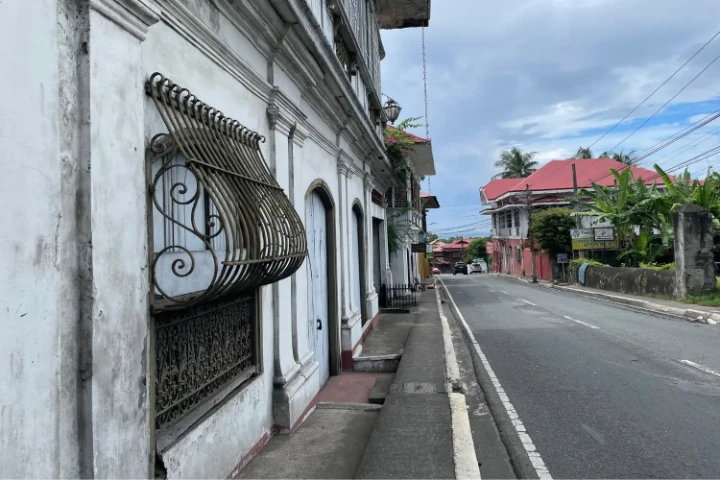
Taal is one of Batangas’ most culturally significant towns, renowned for its well-preserved ancestral houses, centuries-old churches, and storied streets that reflect the grandeur of the Spanish colonial era. As the Balisong and Barong Tagalog Capital of the Philippines, Taal proudly showcases traditional craftsmanship that continues to shape Filipino identity. Visitors can explore its declared National Historical Landmark district, home to museums, heritage homes, and iconic structures like the Taal Basilica. Layered with history, resilience, and timeless artistry, Taal stands as a living museum where culture thrives, traditions endure, and every corner tells a captivating story of the Filipino past.
Taal is a destination that blends heritage, craftsmanship, and culinary identity into an enriching travel experience. Walking through its heritage zone feels like stepping back into the Spanish colonial period, with grand ancestral homes, intricate architecture, and museums illuminating the town’s centuries-old legacy. Taal is also the heart of the country’s barong-making and balisong industry, allowing visitors to witness authentic Filipino artistry firsthand. Festivals like EL PASUBAT highlight its rich traditions and celebrated delicacies. Whether you’re a culture lover, history enthusiast, or someone seeking meaningful local experiences, Taal offers an unforgettable journey rooted in beauty, heritage, and pride.