


San Luis
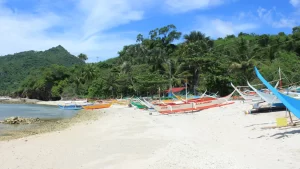
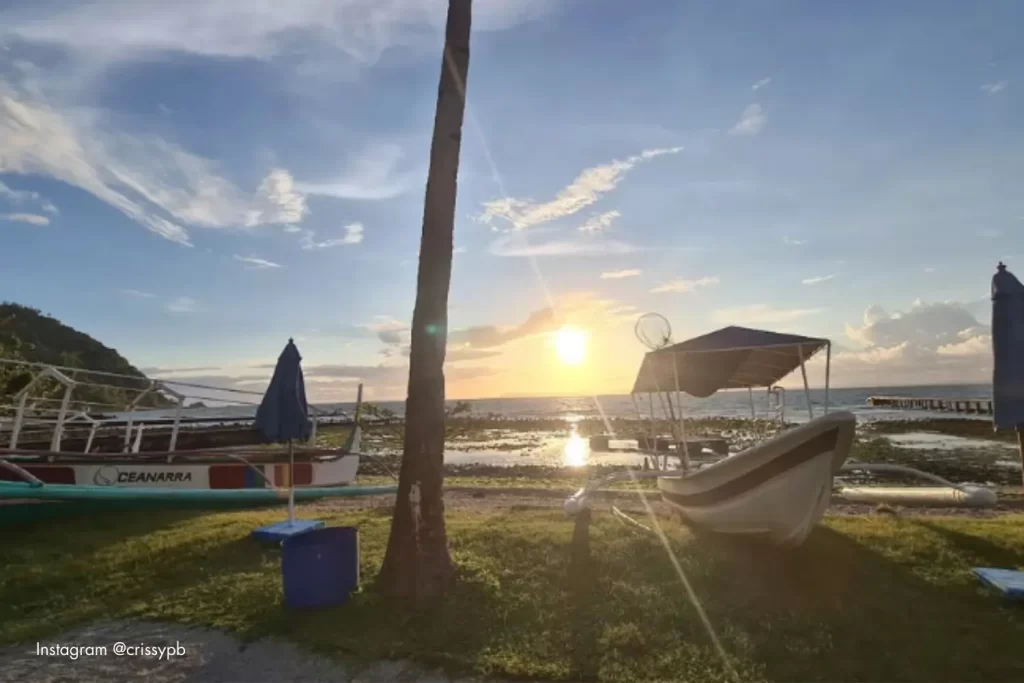
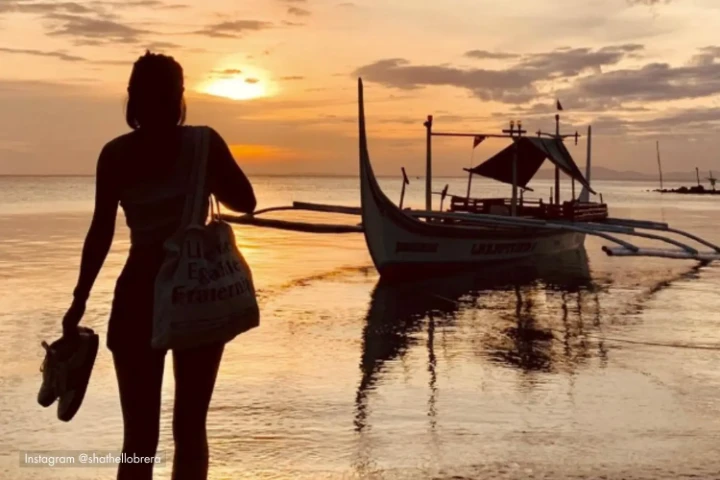
Small coastal town facing Balayan Bay, with fishing and farming livelihoods.
OVERVIEW
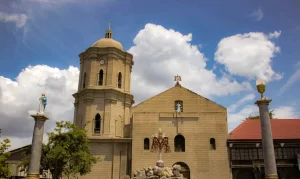
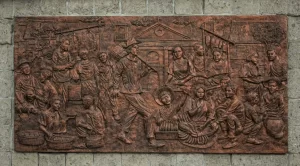
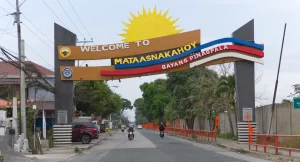
San Luis, formerly known as Balibago, was once a southern barangay of Taal, named after the ever-changing Balibago River. Established as an independent town in 1861, it briefly reverted to Taal in 1904 before regaining independence in 1918. Rooted in agriculture, San Luis became a thriving center for rice, corn, and sugarcane trading. During World War II, it played a meaningful role in the guerrilla resistance. Today, San Luis blends its agricultural heritage with natural beauty—lush hills, springs, mountains, and coastal lowlands—creating a charming municipality that preserves tradition while embracing modern growth.
WHY VISIT San Luis
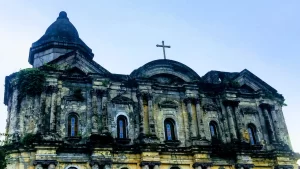
San Luis offers a refreshing escape for travelers seeking nature, history, and authentic Batangueño culture. Its hilly terrain, thick forests, and natural springs create scenic landscapes perfect for quiet exploration and outdoor adventures. Visitors can trace the town’s deep heritage, from its Spanish-era beginnings to its role in World War II. Annual celebrations like the Kawayan Festival highlight local devotion, creativity, and craftsmanship, particularly the town’s connection to bamboo. Whether you’re visiting its coastal areas, trekking into its elevated barangays, or experiencing its community traditions, San Luis provides a meaningful, peaceful, and culturally rich destination in Batangas.
Scenic Hilly Landscapes
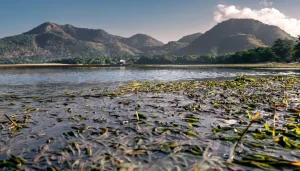
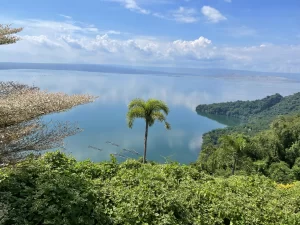
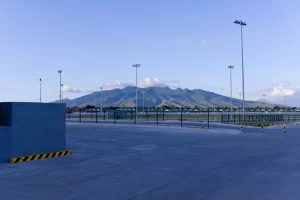
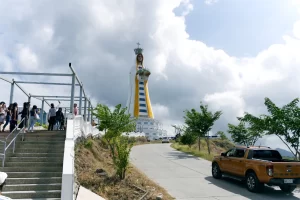
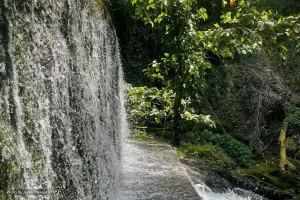
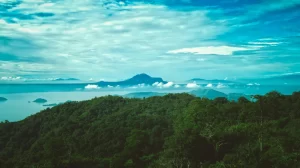
Explore forested hills, natural springs, and panoramic mountain views offering peaceful retreats, fresh air, and refreshing outdoor experiences.
Rich Cultural Traditions
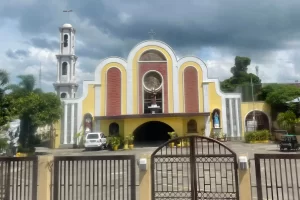
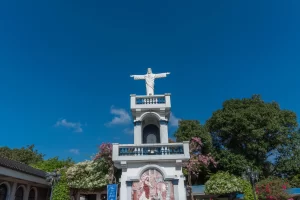
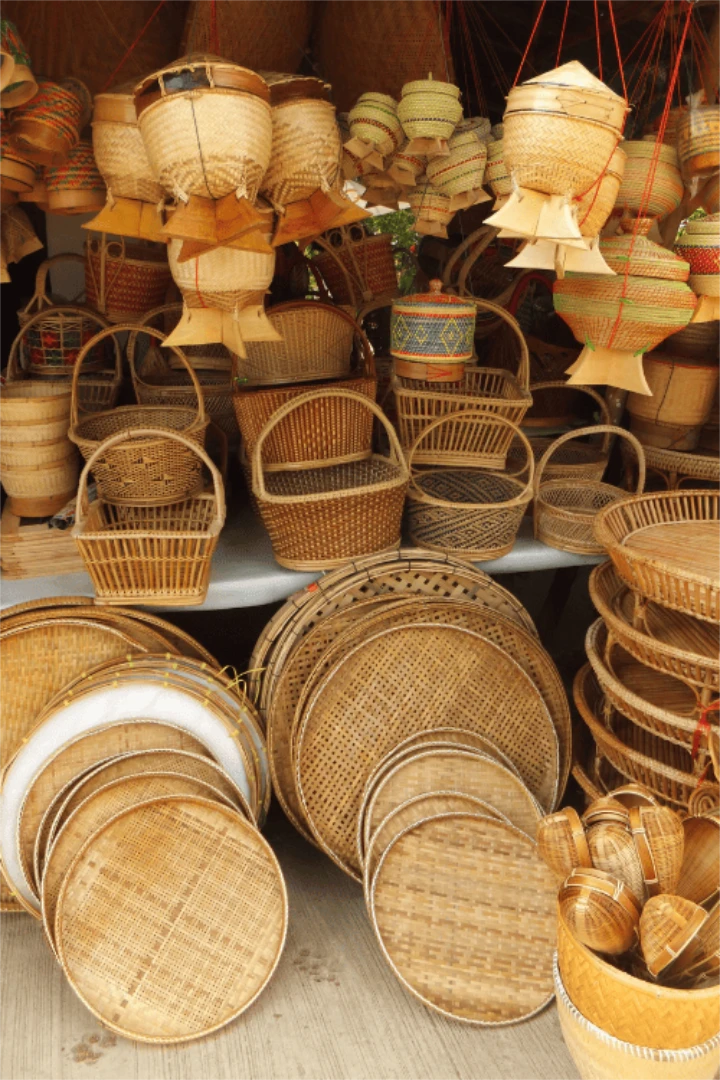
Experience San Luis’ heritage through the Kawayan Festival, bamboo craftsmanship, religious devotion, and preserved customs shaped since the Spanish colonial period.
Historical Significance
Discover the town’s deep roots, from its Balibago origins to its courageous role in World War II resistance movements.
Places
Filter by