There’s something quietly powerful about watching an artist explain his own work. Not with grand declarations, but with the kind of honest, grounded storytelling that makes you look at a rusted piece of yero differently and suddenly see it as a memory, a shelter, a home.
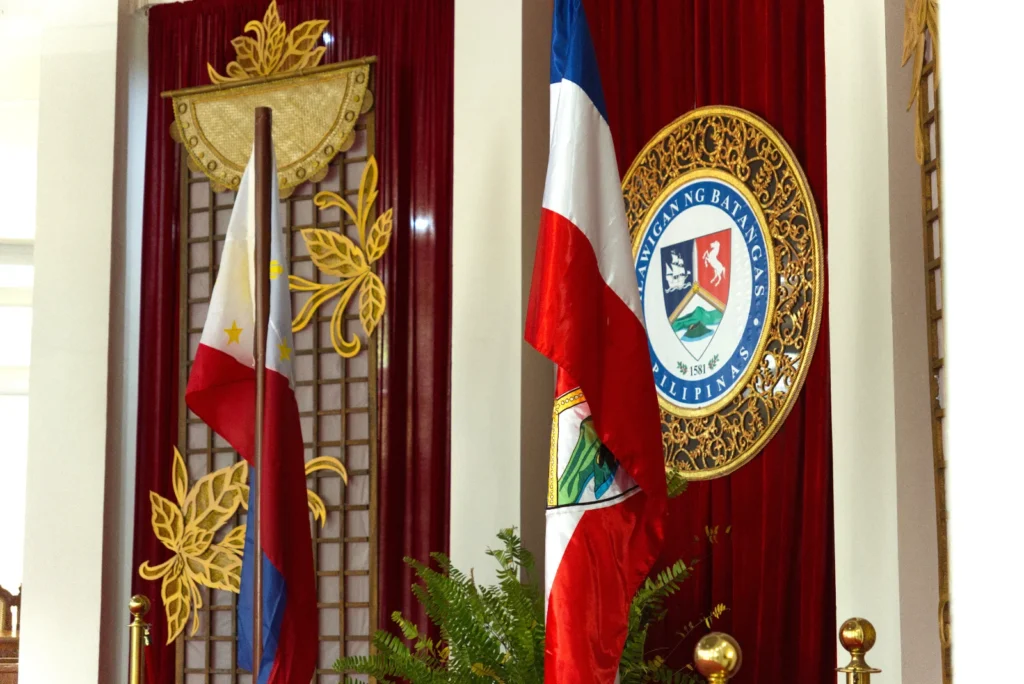
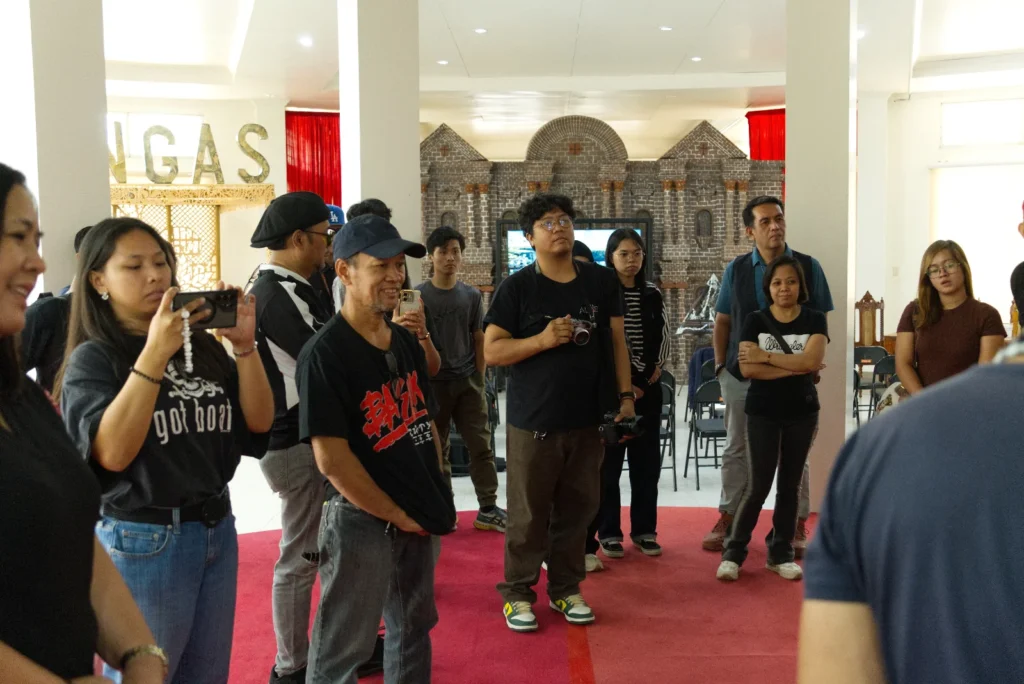
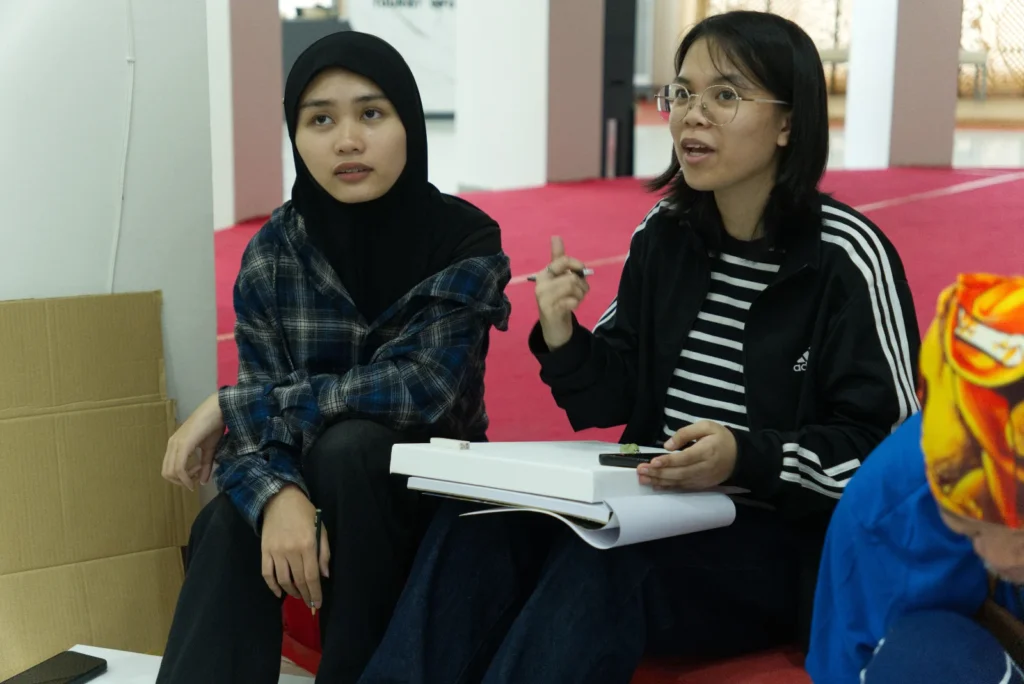
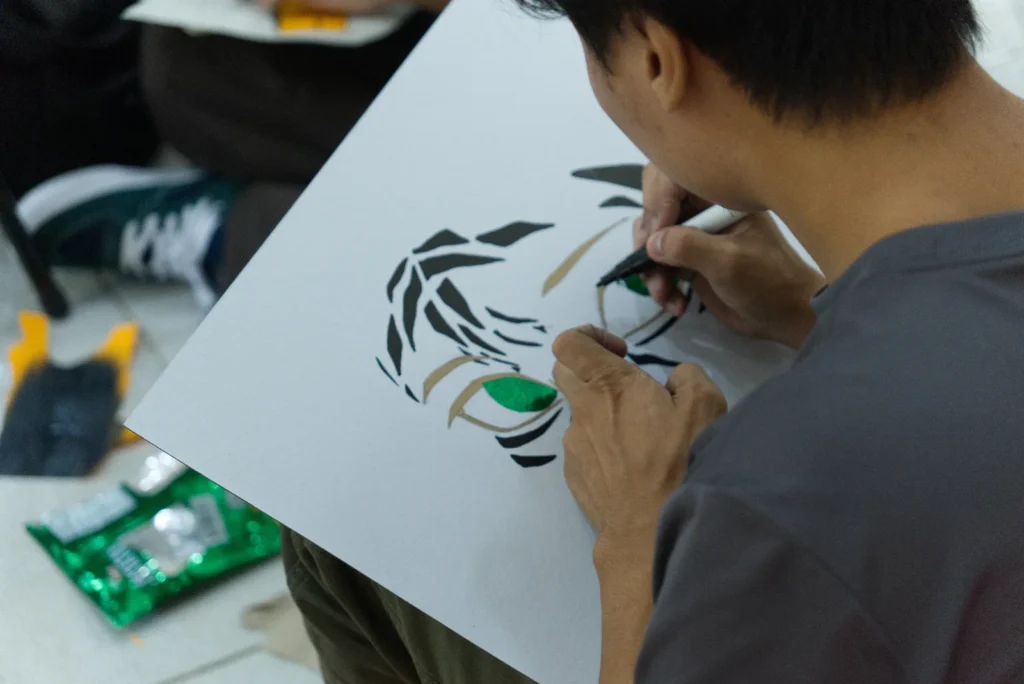
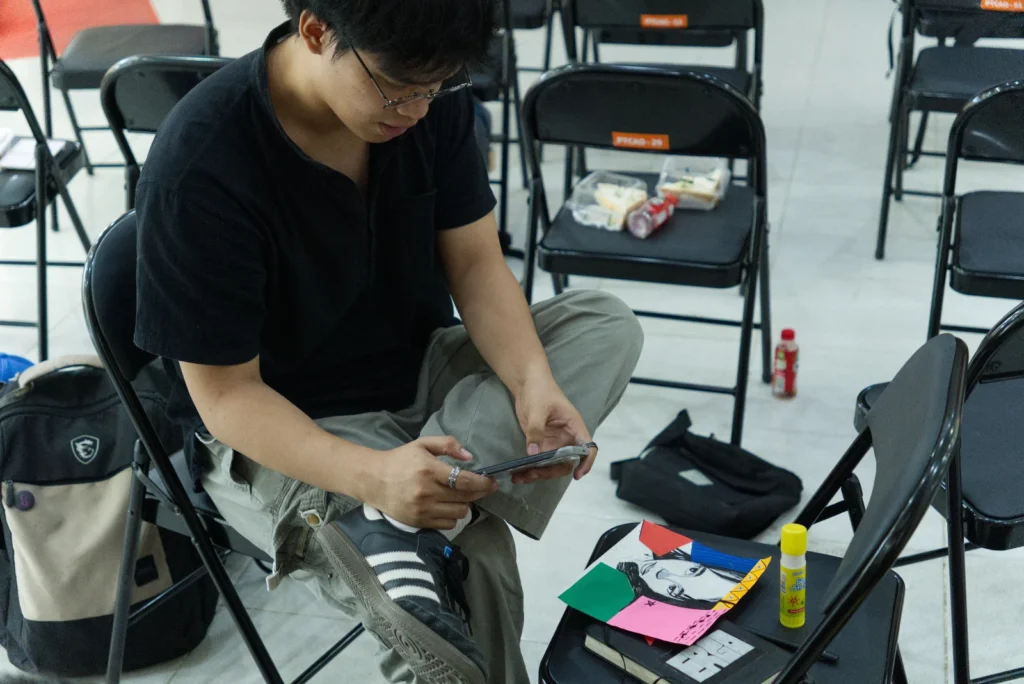
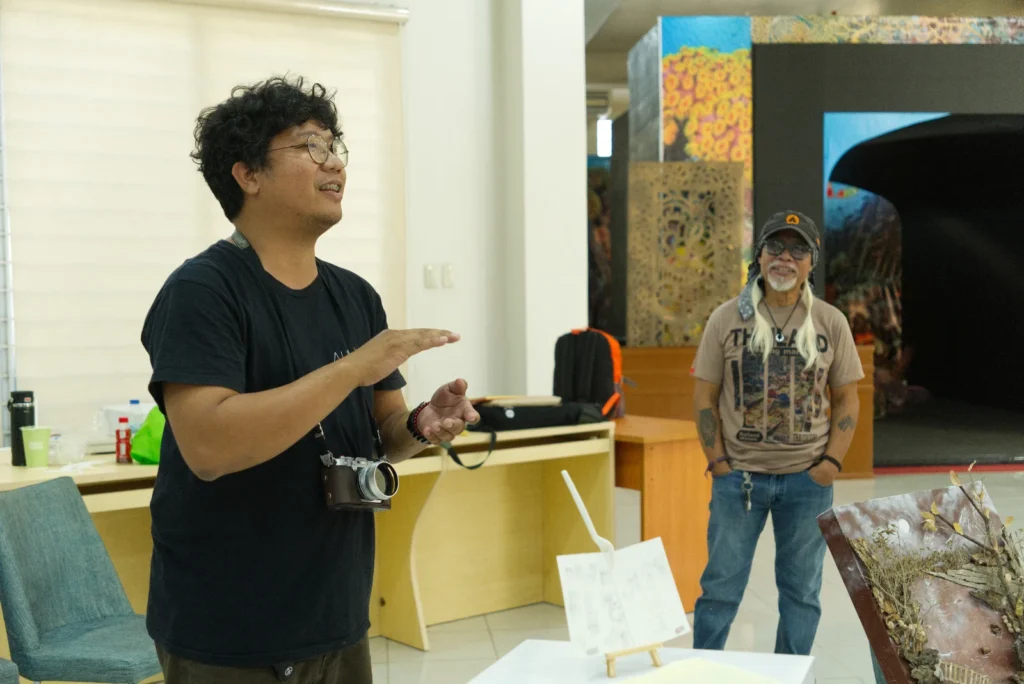
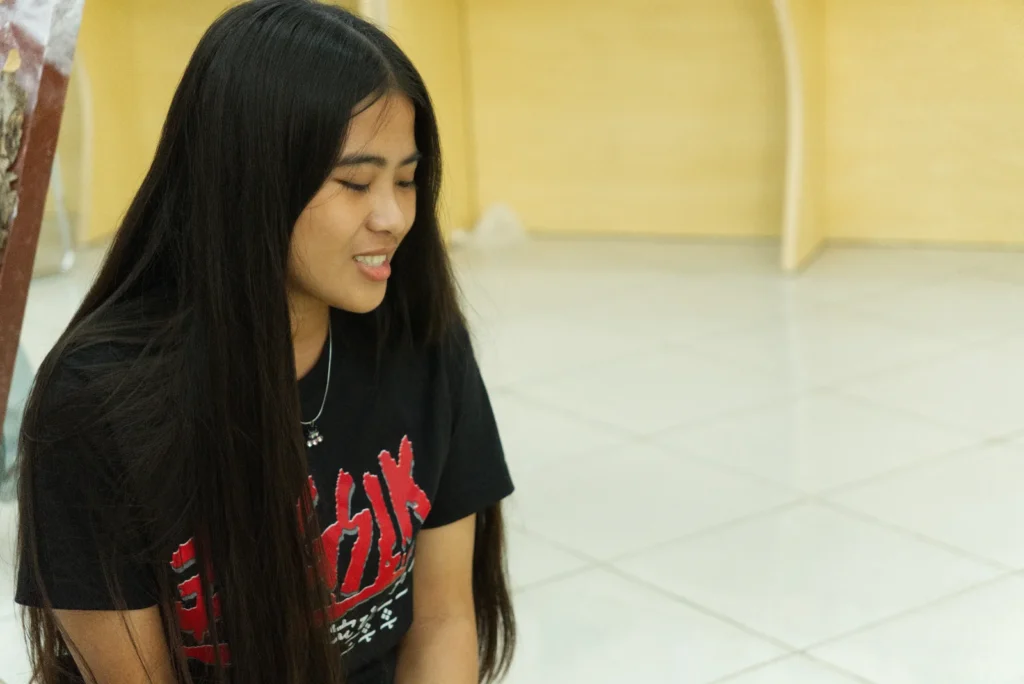
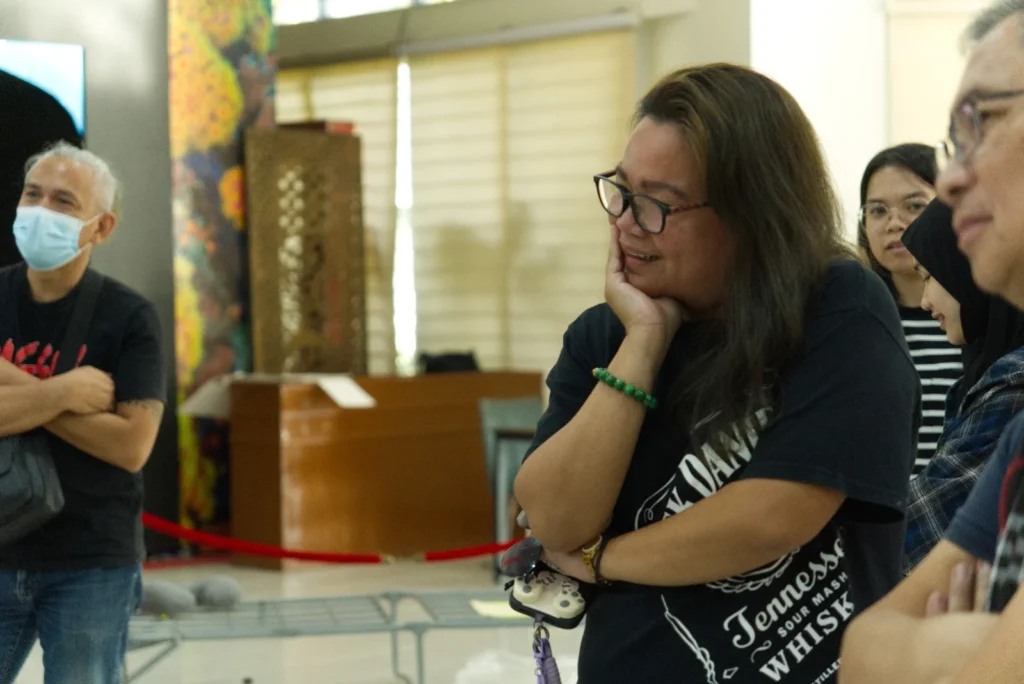
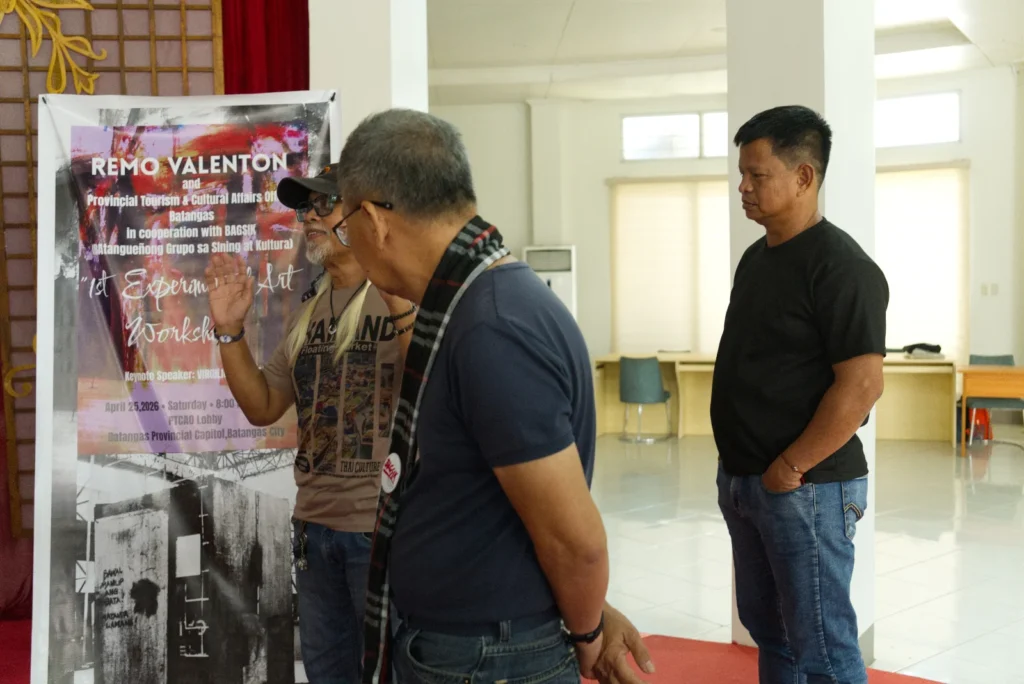
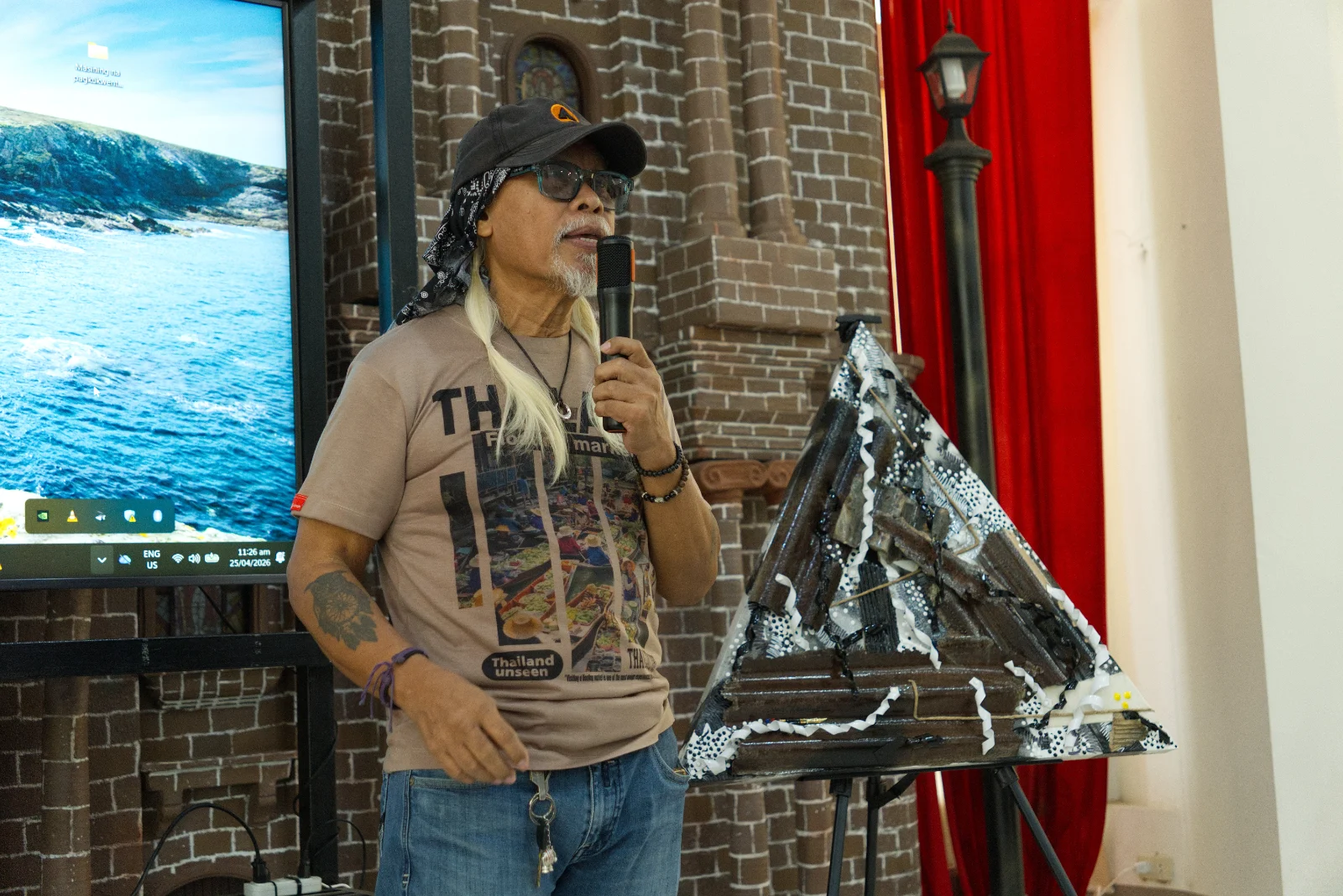
That’s what happened on April 25, 2026, at the PTCAO Lobby inside the Batangas Provincial Capitol Compound, when visual artist Remo Valenton held his first ever Experimental Art Workshop and brought in one of the sharpest voices in Philippine art criticism to set the stage.
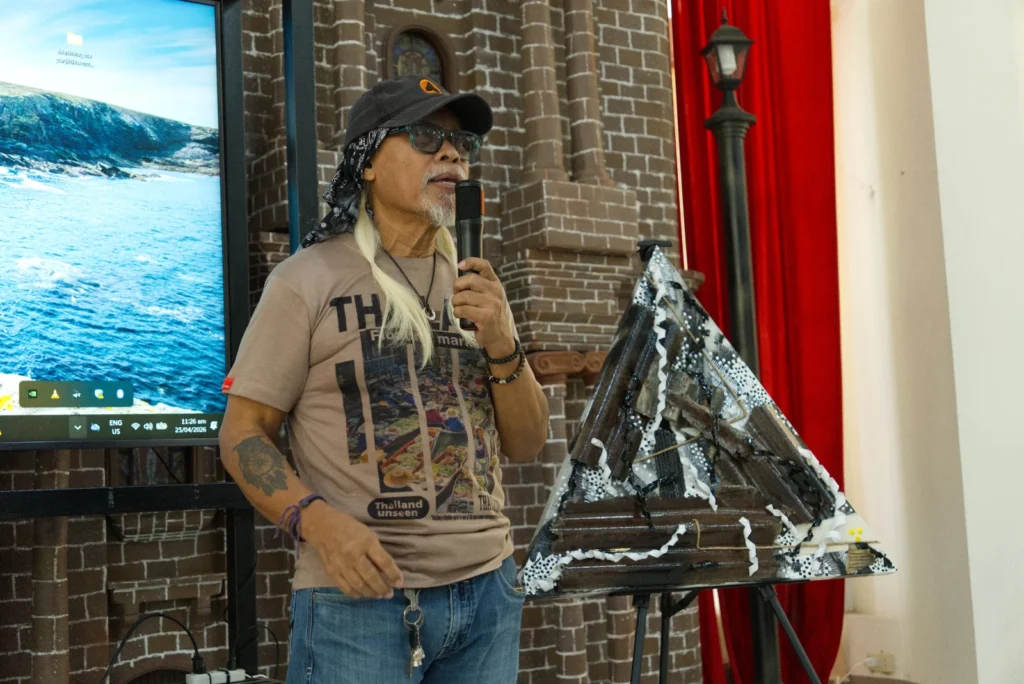
First, a History Lesson. But Make It Interesting.
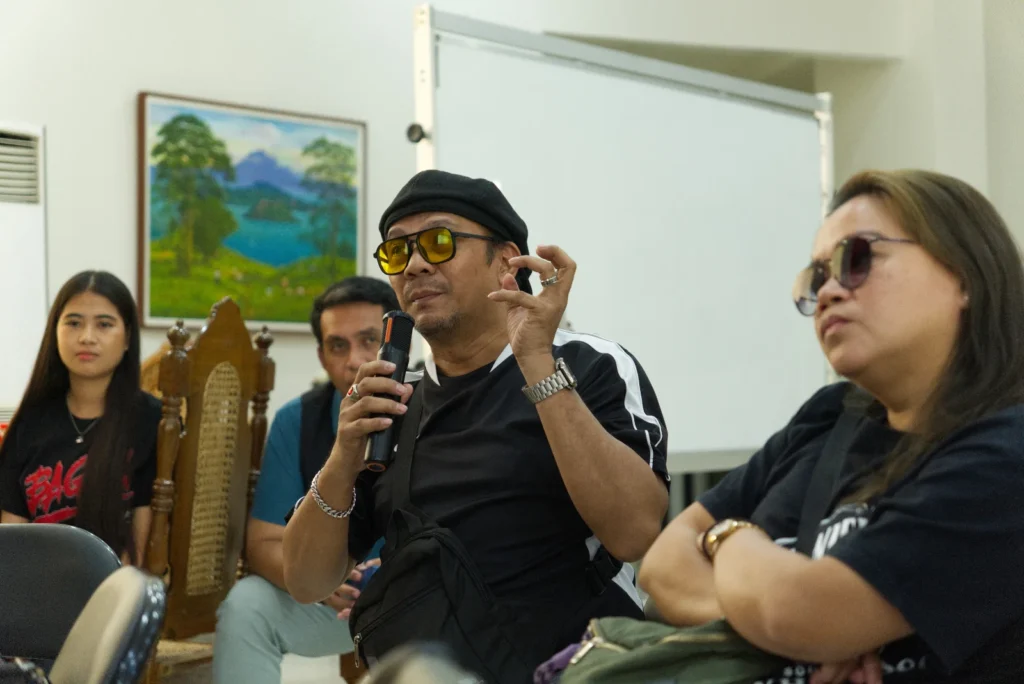
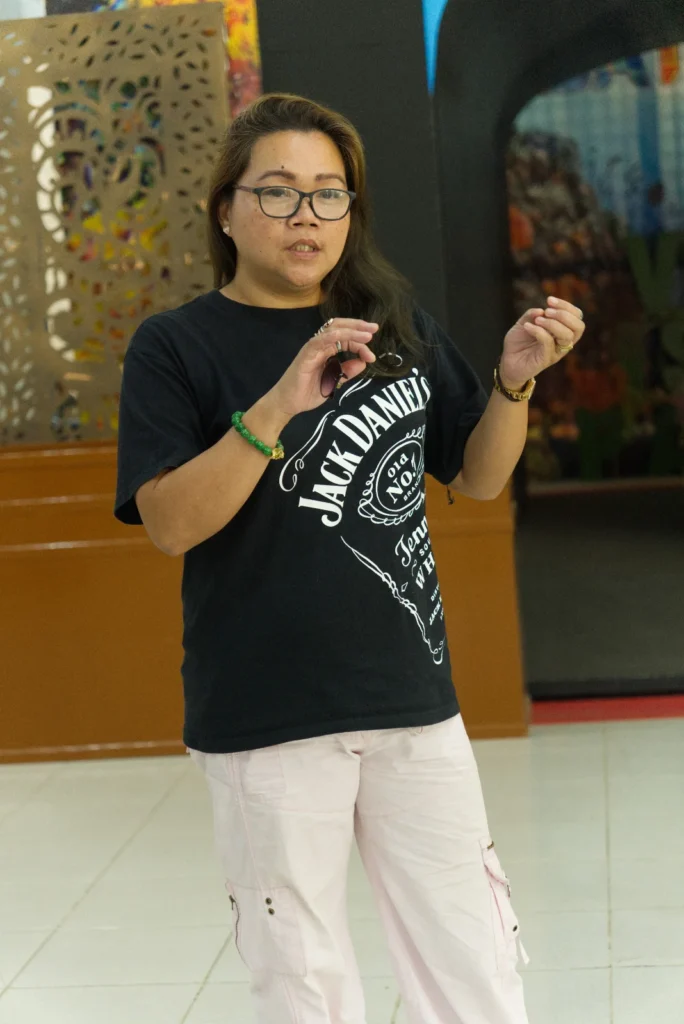
Before anyone picked up a brush or a piece of found material, art curator, critic, and journalist Mr. Virgilio G. Cuizon took the room on a whirlwind tour of visual art history. From the Renaissance all the way to contemporary practice.
And it wasn’t dry. Promise.
He traced how art evolved from the classical perfection of the Renaissance, through the drama of the Baroque, the emotion of Expressionism, the rule-breaking of Cubism, all the way to Dadaism. That’s where Marcel Duchamp signed a urinal, called it Fountain, and somehow changed everything we thought art could be.
The point wasn’t just academic. Cuizon was building a case: to understand Experimental Art, you need to know what rules existed before someone decided to break them. “Know the basic, master the basic, and break the basic,” he said. That line alone was worth the trip to the Capitol.
He also had a fascinating take on the Spoliarium, clarifying that Juan Luna’s masterpiece was literally about dead gladiators being dragged into a dungeon in Rome, and that the nationalist symbolism we’ve all been taught? That came later. Luna himself was simply claiming his place as a world-class artist, even signing the work “Luna, Rome” despite having painted it in Madrid.
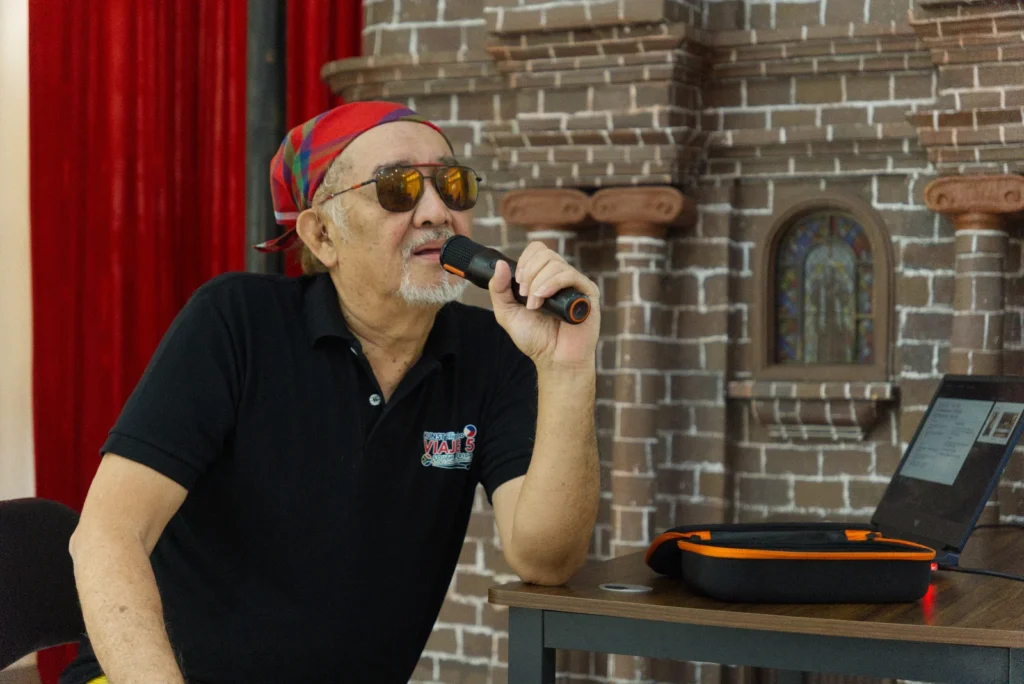
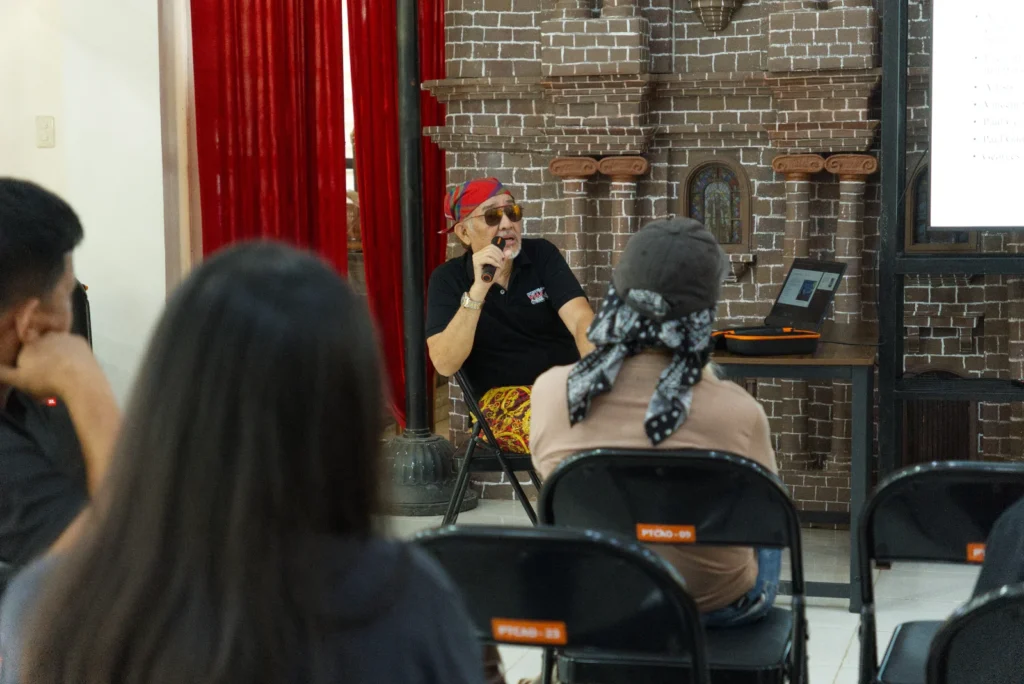
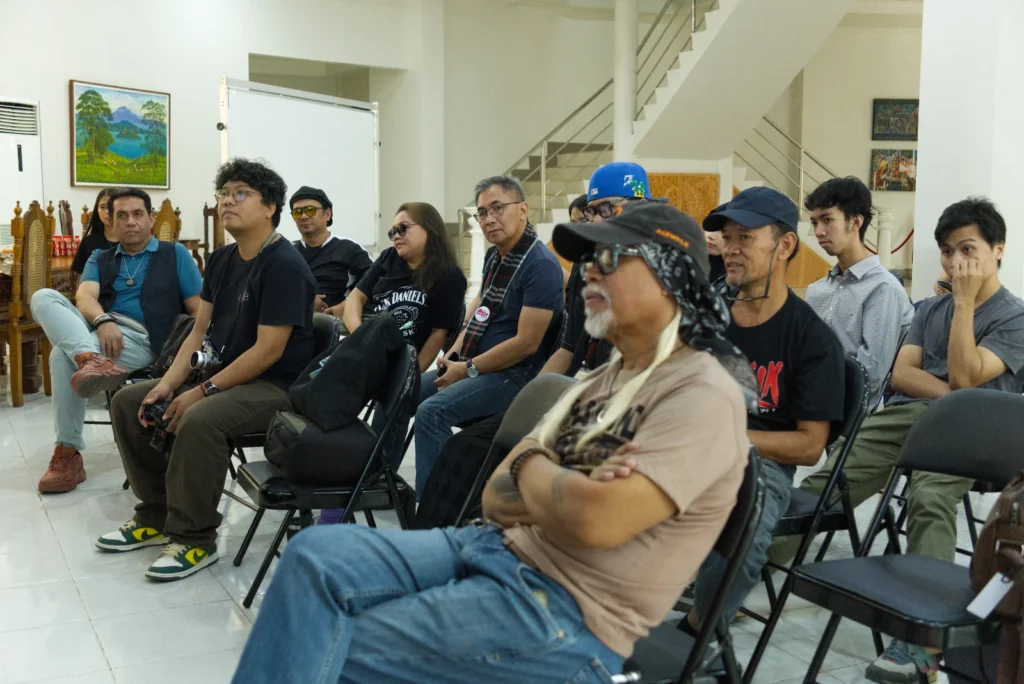
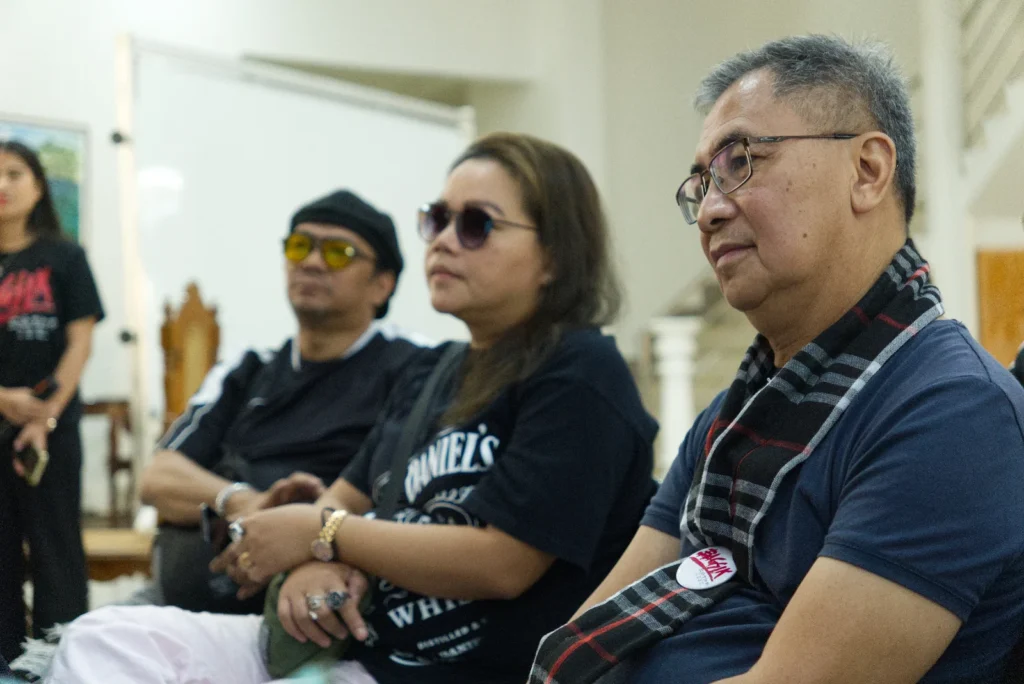
Remo Valenton’s Art: Rust, Memory, and Filipino Identity
Here’s where the workshop became something special.
Cuizon used Valenton’s own work as a live case study in what contemporary, experimental art can look like when it’s rooted in something real. Not just technique or trend, but identity.
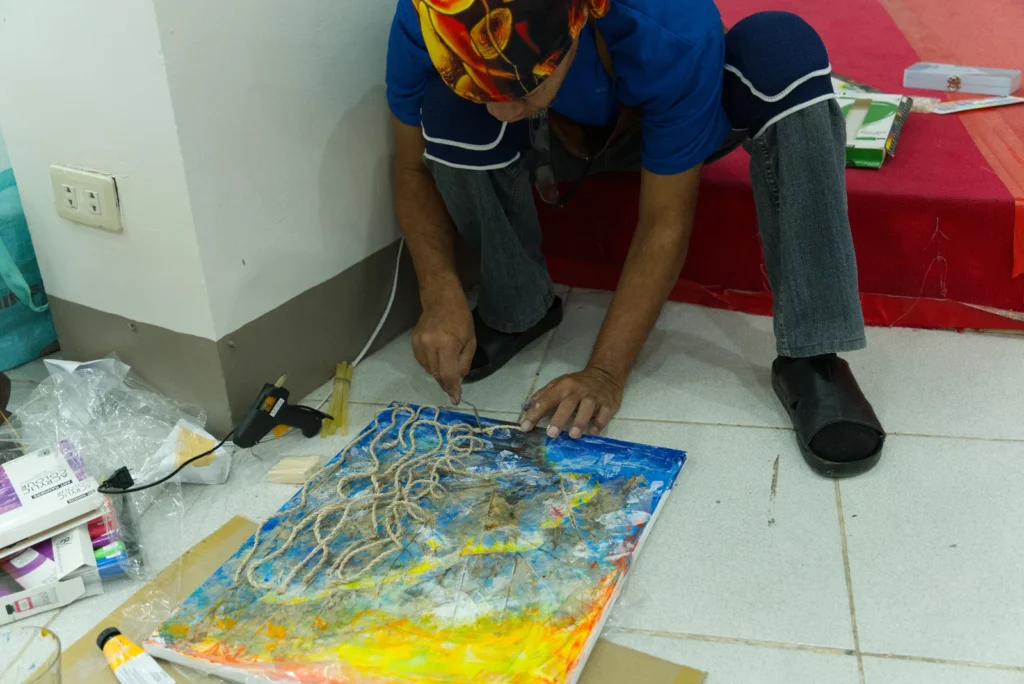
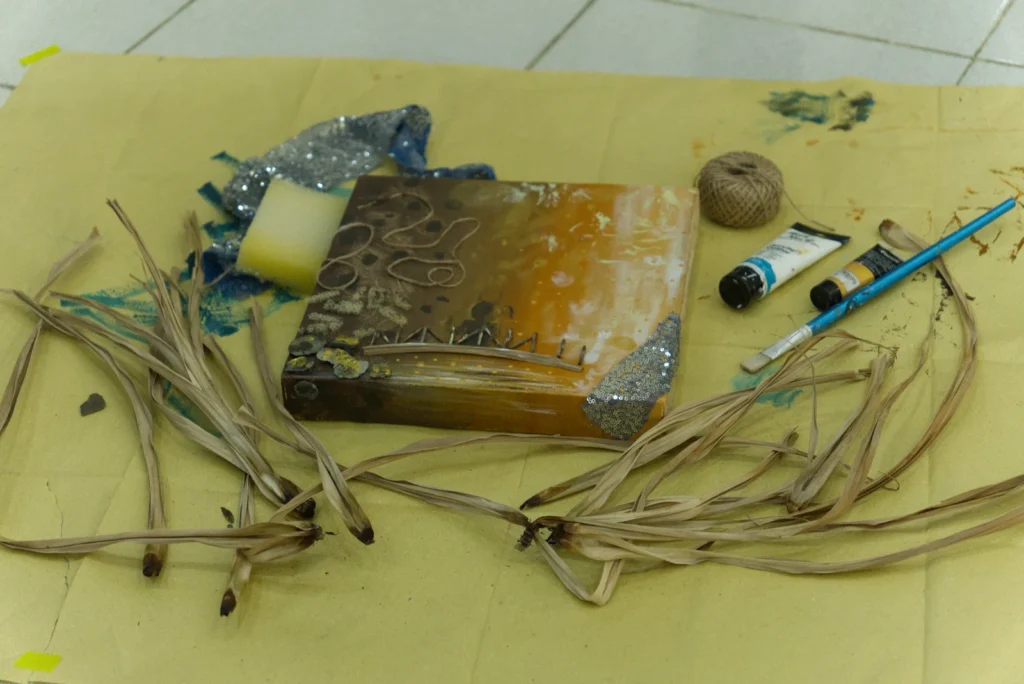
Valenton works in experimental mixed media, specifically collage, assemblage, and found objects. His materials aren’t precious. We’re talking kinakalawang na yero, scraps, fragments of everyday Filipino life that most people would walk right past. But assembled together, they tell stories about memory, place, and what it means to be Batangueño.
From a distance, his pieces read like Abstract Expressionism, bold, emotional, gestural. Get closer, and you see the detail. The layering. The intention. It’s what critics call Assemblage and Nouveau Réalisme: art that doesn’t just represent the world but uses the world as its material.
Cuizon’s term for what Valenton practices: Filipinism. The idea that Filipino artists should root their work in their own cultural identity and lived experience. Not imitate Western movements, but absorb them and then speak from home.
Insights Worth Remembering
Beyond the art theory, the Q&A session opened up into the kind of honest conversation that artists rarely get access to:
- On plein air painting: Don’t just copy what you see. Understand light. Develop your tonal memory. The Philippine sun moves fast, so should your eye.
- On abstract art: You don’t get to skip realism. Abstract without foundation is just decoration.
- On art blocks: Cuizon’s answer was blunt and freeing. You won’t have art blocks if you’re painting your own story. Your life is infinite source material.
- On artists’ rights: Republic Act No. 8293 protects your work the moment you create it. Resale rights, royalties, provenance. These matter, and artists in Batangas need to know them.
The People Who Made It Happen
The event was hosted by Jellan Bulalacao, who kept the program moving with energy and warmth throughout the afternoon. The welcome message was delivered by Mary Stephanie Landicho-Ona on behalf of PTCAO Department Head Heidi Castillo, representing the Batangas Provincial Tourism and Cultural Affairs Office (PTCAO) as the event’s sponsor.
The workshop was organized by Valenton himself in collaboration with PTCAO, BAGSIK (Batangueñong Grupo sa Sining at Kultura), and Luis Bakery. It was a full team effort, and it showed.
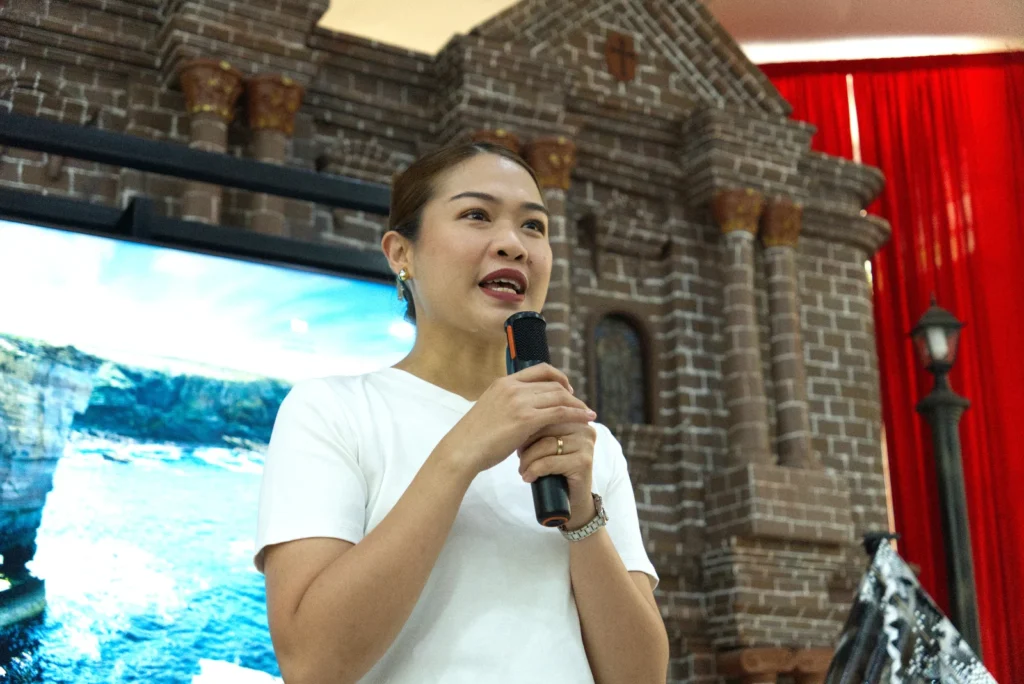
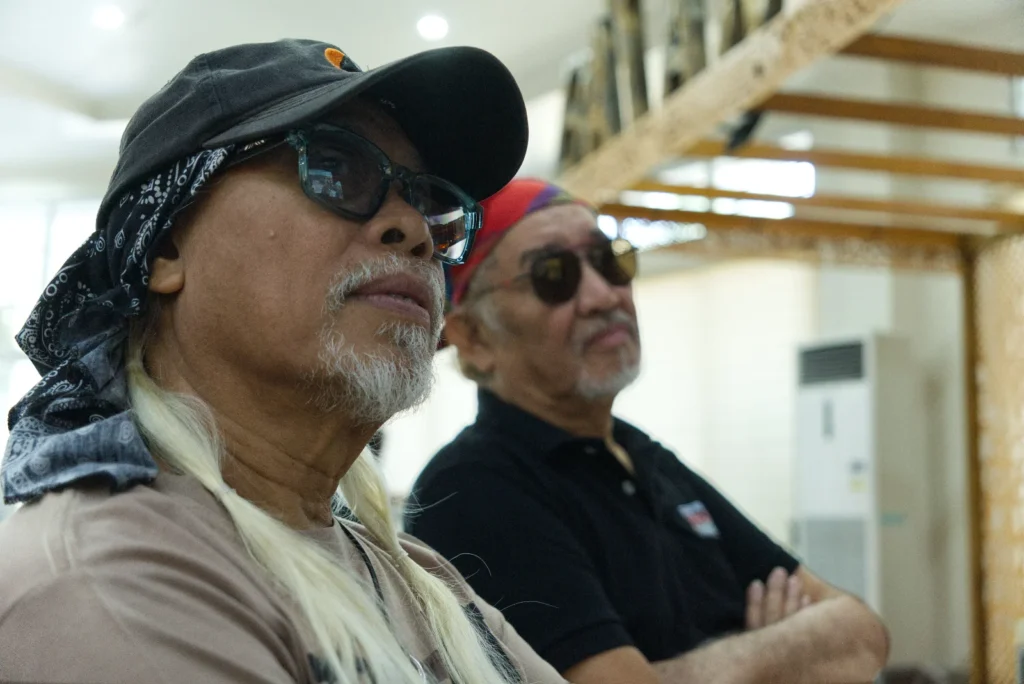
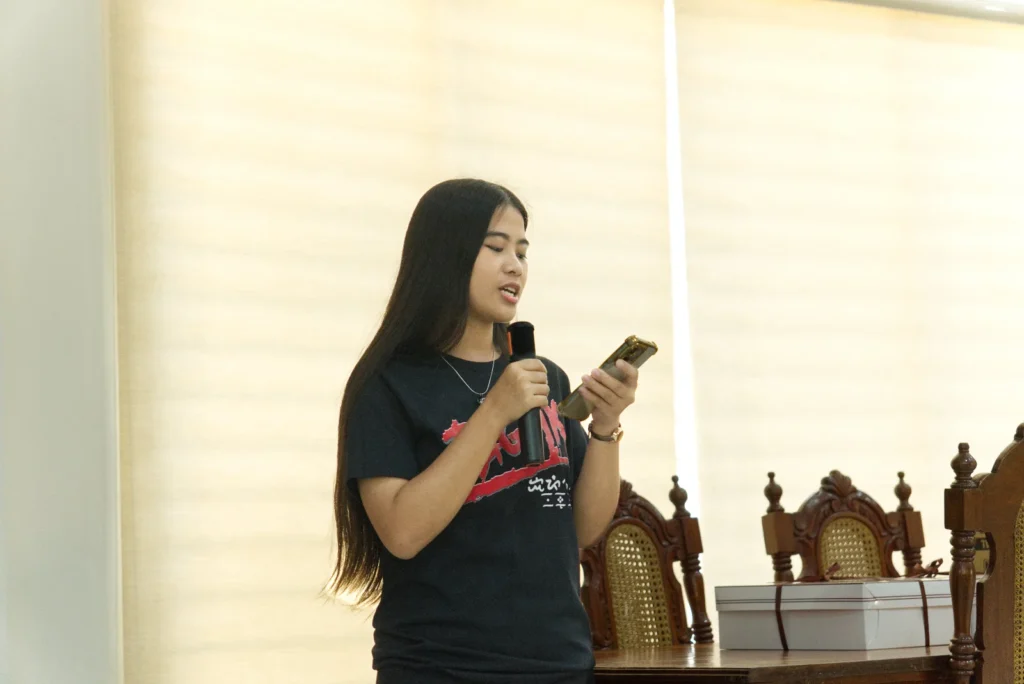
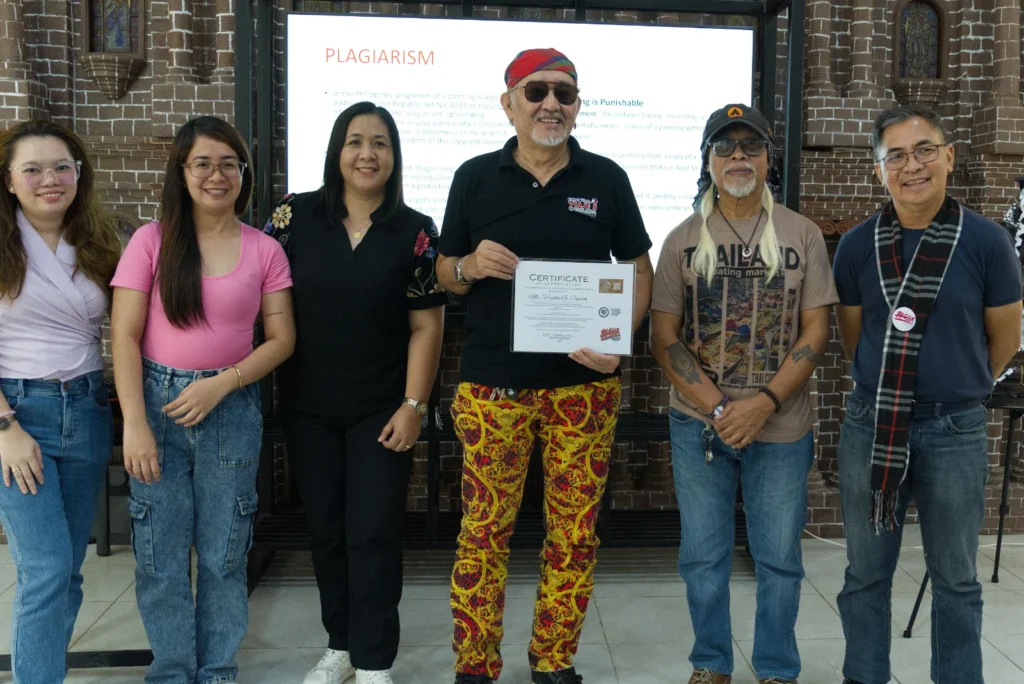
The Artworks Are Now on Display
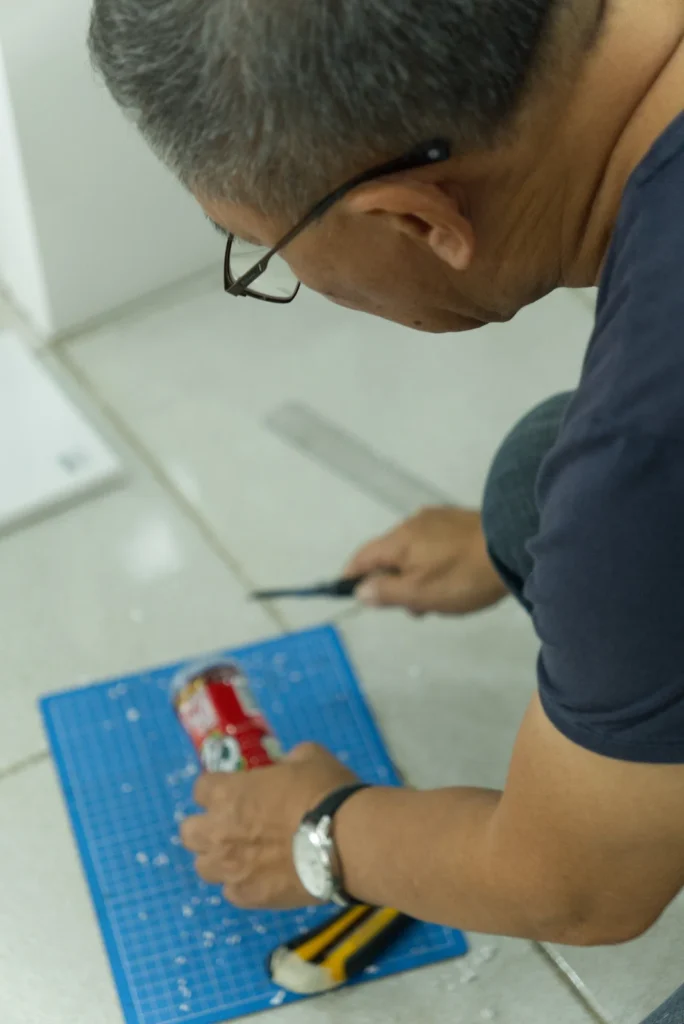
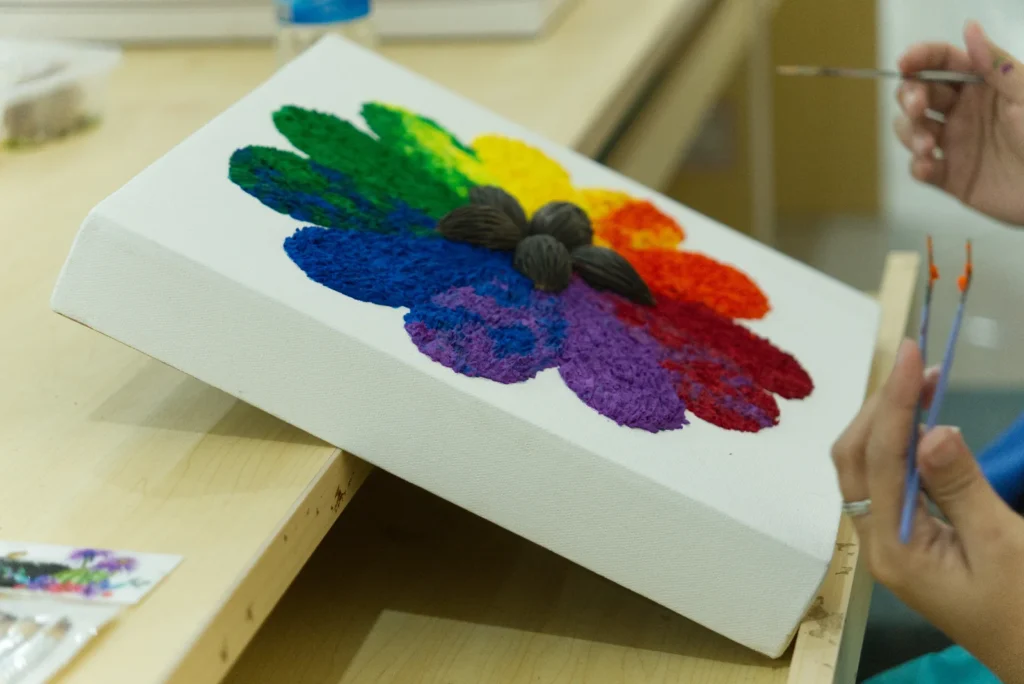
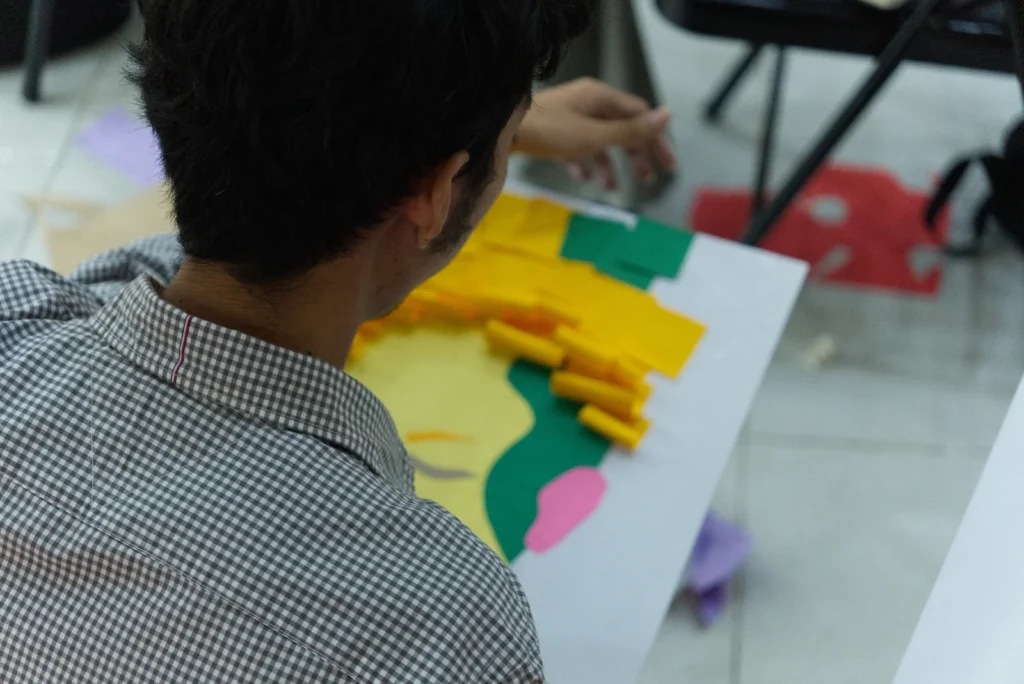
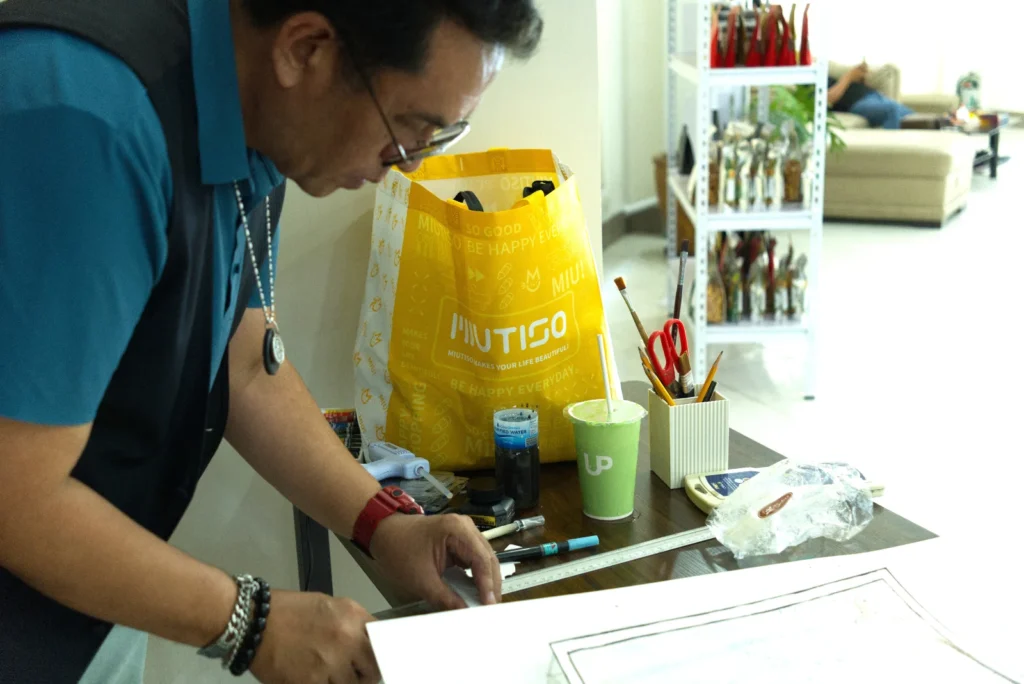
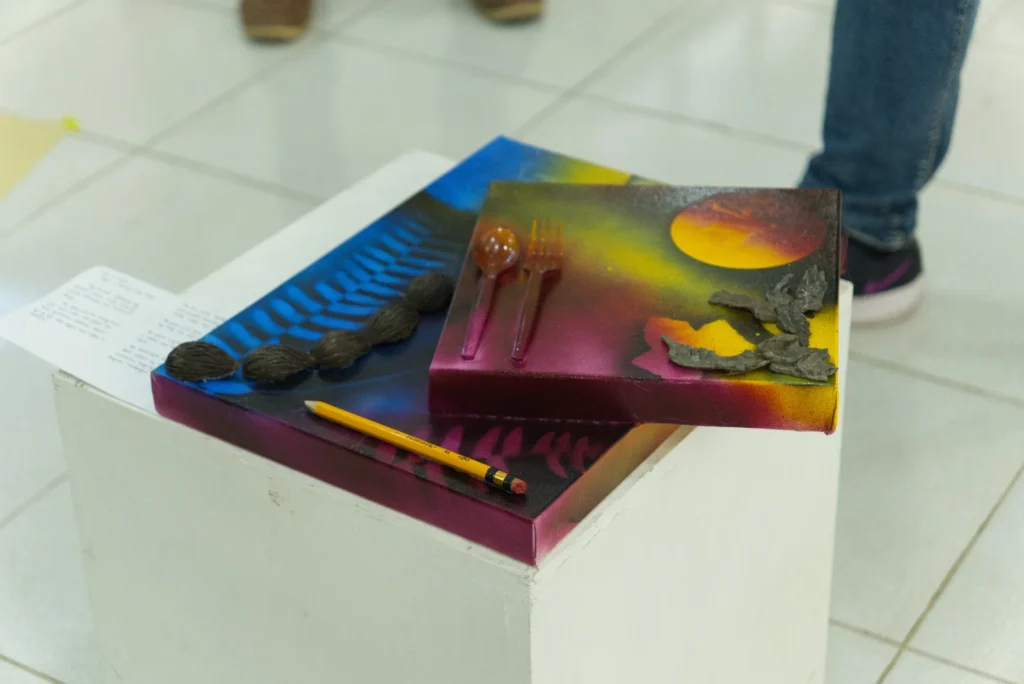
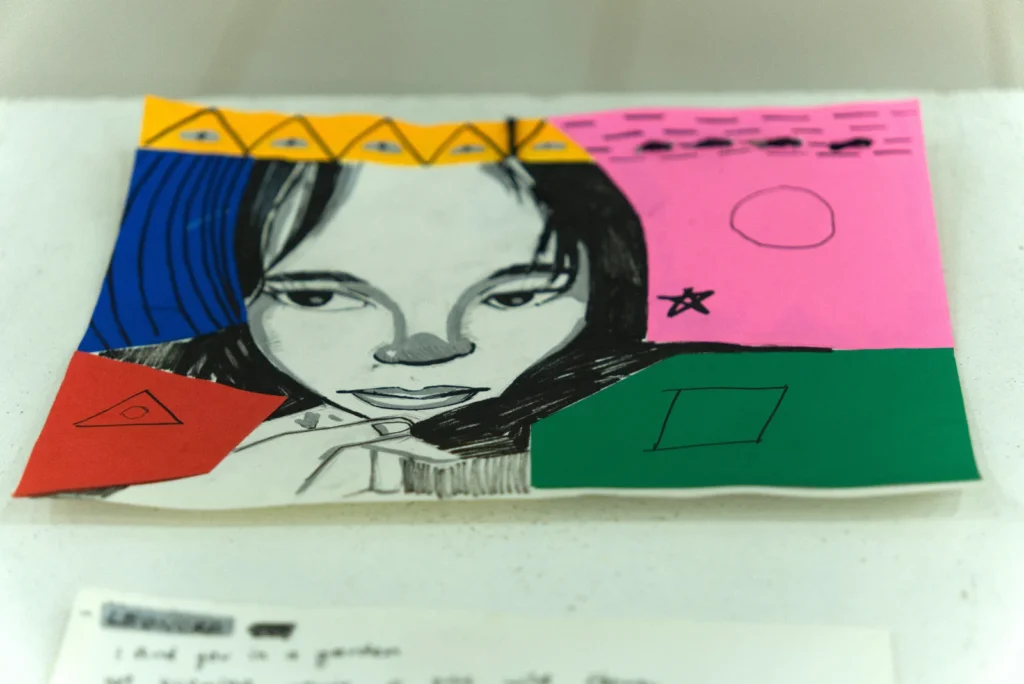
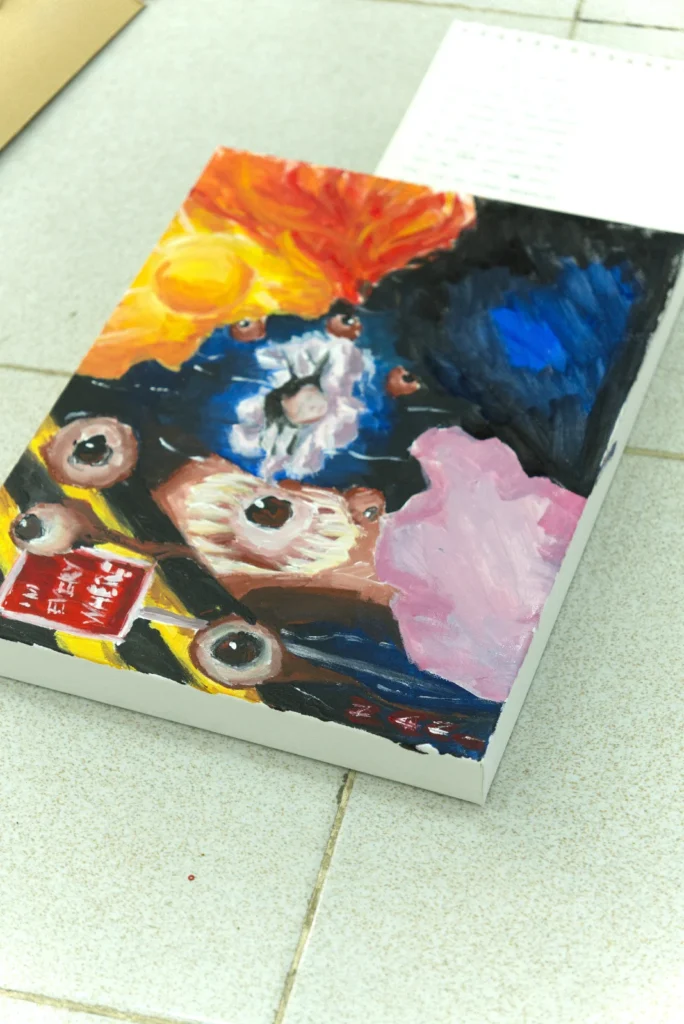
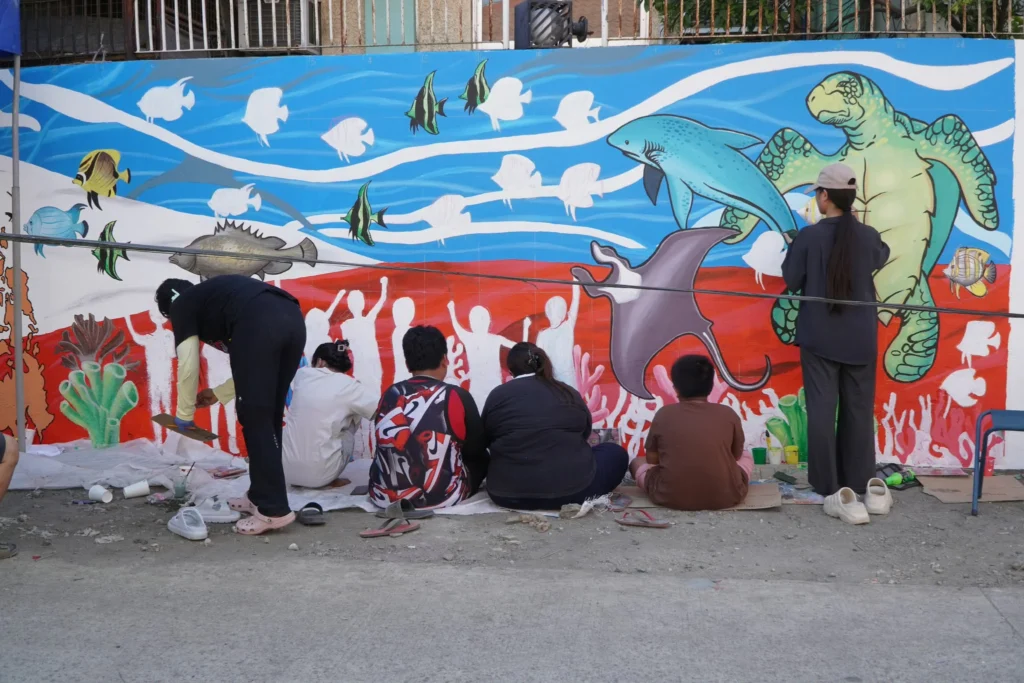
The workshop didn’t just end with theory and conversation. It ended with creation, and those creations are now on public view.
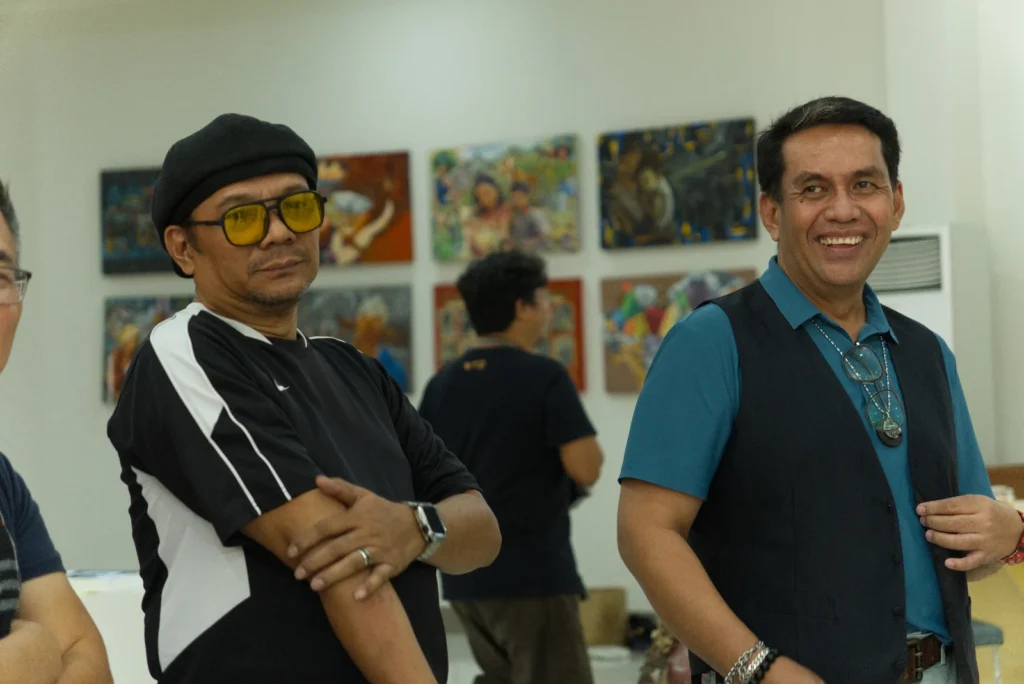
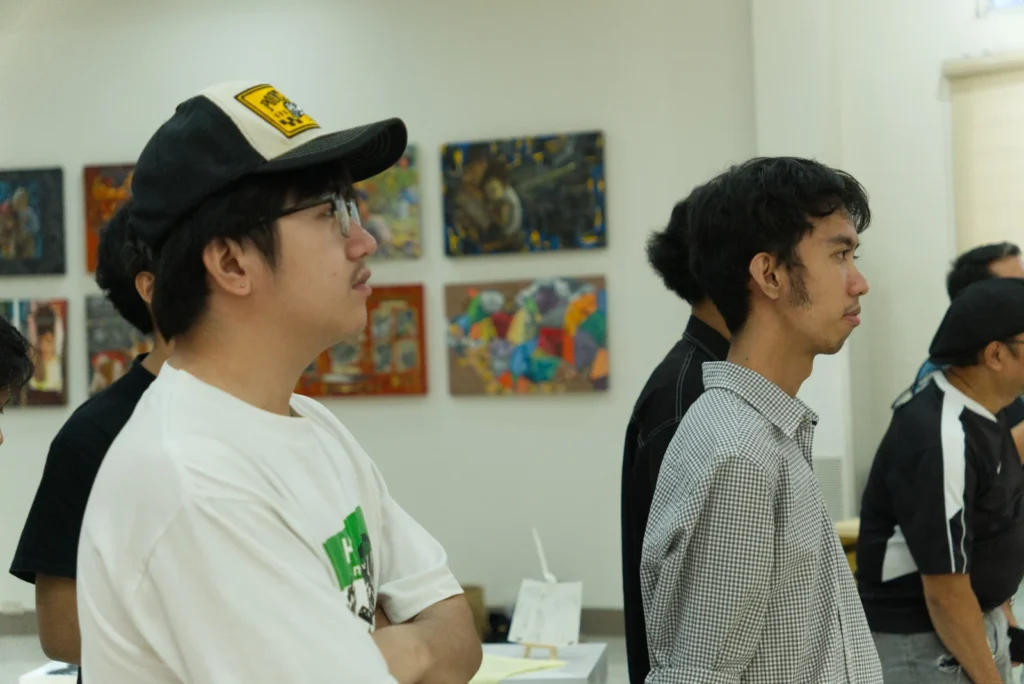
An exhibit of artworks made by the workshop participants officially opened yesterday, April 27, 2026, right where it all began: the PTCAO Lobby at the Batangas Provincial Capitol Compound. The opening was attended by PTCAO Department Head Heidi Castillo, alongside Mr. Virgilio Cuizon, Remo Valenton, and several of the artist participants themselves.
If you want to see what happens when Batangas artists are given the space, the guidance, and the freedom to experiment, this is your chance. The exhibit runs until April 30, 2026, so you still have a few days to catch it.
Practical Tips
- Catch the exhibit before it closes. The participant artworks from the workshop are on display at the PTCAO Lobby, Batangas Provincial Capitol Compound until April 30, 2026. Free to visit during office hours.
- Follow BAGSIK and PTCAO on social media to stay updated on upcoming workshops and cultural events in Batangas.
- Support local artists by attending exhibits and buying original work. If you see Remo Valenton’s pieces on display, get close. The details are where the story lives.
- Artists joining future workshops: Bring a sketchbook, take notes, and don’t be shy during Q&A. The informal conversations are often the most valuable part.
- Ask for a Certificate of Authenticity when purchasing original works from any local artist. It protects both buyer and creator.
- The PTCAO Lobby at the Provincial Capitol hosts cultural events throughout the year. Worth bookmarking if you care about the Batangas arts scene.
Batangas has always had something to say. Events like this are proof that the artists here are finding the language to say it louder and with rust, memory, and a whole lot of intention.